4 Weeks to Read Review: An Early Childhood Teacher’s Honest Take


Helping a child learn to read can feel overwhelming, especially when you are a parent without a teaching background. Programs that promise fast results often catch attention quickly.
One such program is 4 Weeks to Read, a physical reading system created by Learning Dynamics.
As an early childhood teacher with more than a decade of experience teaching young children to read, I want to review this program honestly, from a parent’s point of view.
This review focuses on whether 4 Weeks to Read is developmentally appropriate, easy for parents to use, and genuinely effective for young learners.
TL;DR
4 Weeks to Read is a parent-friendly, step-by-step reading program that uses a synthetic phonics approach and includes many physical materials.
However, the program relies too heavily on workbooks and low-quality readers, and the name itself creates unnecessary pressure.
It may work for some families, but it is far from the best option available.
What Is 4 Weeks to Read?
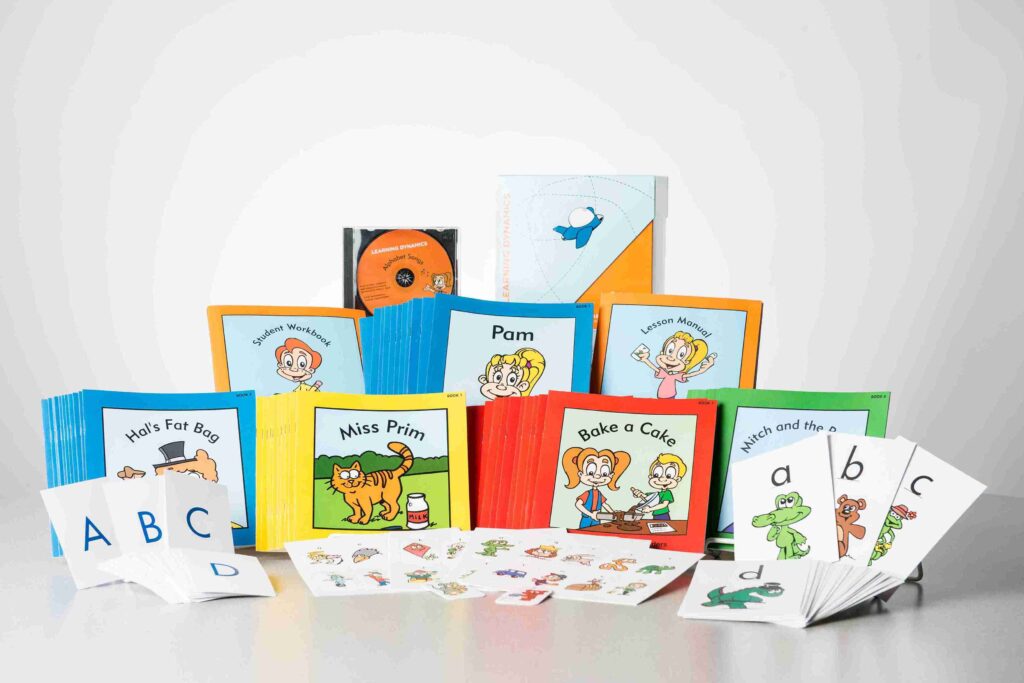
4 Weeks to Read is a physical reading program created by Learning Dynamics, a company founded by Cheryl Lant. The company began as a small chain of preschools before expanding into home learning products.
Unlike digital reading apps, this program ships physical materials directly to your home. When you purchase it, you receive:
- 53 full-color beginner readers
- Flashcards
- Music and songs for phonics instruction
- Workbooks
- A parent lesson manual
The program claims a success rate of over 98 percent and promises that children can learn to read within four weeks.
It is important to pause here. Any reading program that puts a strict timeline on learning should immediately raise questions for parents.
How Much Does 4 Weeks to Read Cost?
At the time of writing, the base price is $69.99, with an optional add-on of $17.99 for additional student workbooks. Unfortunately, it is not clearly explained whether these extra workbooks are duplicates or new content.
Shipping is free within the United States, which is a plus for families ordering a physical product.
What Works Well in 4 Weeks to Read
Easy for Parents to Follow
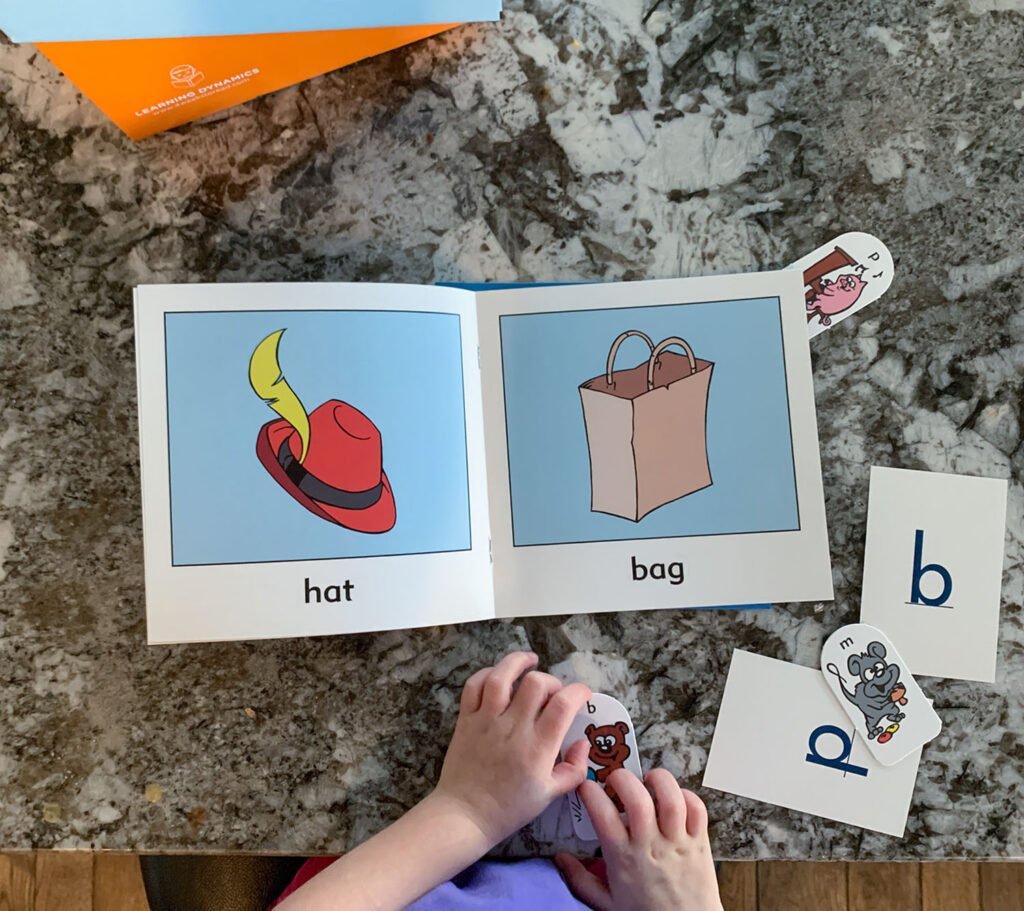
One of the strongest aspects of this program is that it is designed specifically for parents. The lesson manual walks you through each step, which helps families who do not understand phonics instruction or reading development.
Many parents unintentionally focus only on letter names rather than sounds. A structured program like this can prevent that mistake.
Physical, Screen-Free Materials
In a world dominated by apps and tablets, having a physical program can be refreshing. Sitting with your child, handling books and cards, and working together offline is valuable for early learners.
Uses Synthetic Phonics
The program primarily follows a synthetic phonics approach, which teaches children letter sounds and blending. This is an evidence-based method and one I fully support as a teacher.
Where 4 Weeks to Read Falls Short
The Name Creates Unhealthy Pressure
The biggest red flag is the name itself.
Children do not learn to read on a fixed schedule. Some children progress quickly, others need more time. A program promising results in four weeks can make parents anxious and unintentionally place pressure on children.
Learning to read is not a race. When parents believe their child must read within a set timeframe, frustration often follows. This mindset can damage confidence and enjoyment.
Overuse of Workbooks
The program relies heavily on workbooks, which is not ideal for children aged three to six.
Many young children struggle with worksheets. Coloring pictures that start with a sound is not an effective or engaging use of time for most learners. Hands-on games, movement, and playful interaction work far better at this age.
Worksheets can turn reading into a chore instead of an enjoyable experience.
Weak Lesson Design
Lessons are designed to be about 15 minutes long, which is appropriate for young children. However, much of that time is spent on workbook activities that are not developmentally optimal.
Instead of active phonics games, children are often expected to sit and complete paper tasks. This limits engagement and retention.
The phonics songs included are one bright spot. These are well-made and helpful for sound recall.
Low Quality Beginner Readers
The included reading books are disappointing.
Many stories are dull, lack meaningful plots, and do nothing to spark a love of reading. Some illustrations feel rushed and amateurish.
Early readers should feel excited and rewarded. These books feel more like obligations than invitations into reading.
Would I Recommend 4 Weeks to Read?
Honestly, no.
While the program will work for some families, it relies too much on worksheets and low-quality readers. The marketing promises are far stronger than the educational substance.
Children aged three to six should be learning through play, movement, and meaningful interaction. This program does not deliver that consistently.
Parents looking for a “quick fix” may be drawn in, but learning to read simply does not work that way.
What I Recommend Instead
For parents who want a clearer, more child-centered approach, Children Learning Reading remains a stronger option. It focuses on short, playful lessons, builds confidence gradually, and avoids unnecessary pressure.
There is no perfect reading system, but programs that respect child development always outperform those built on timelines and hype.
Final Thoughts
Reading is a lifelong skill, not a four-week project.
Children need encouragement, patience, and joyful experiences with language. Any program that undermines that by creating pressure is missing the point.
If you choose to teach your child to read at home, focus less on speed and more on confidence and enjoyment. Most children will get there in their own time.
Final Rating Summary
Pros
- Step-by-step structure for parents
- Physical, screen-free materials
- Uses a synthetic phonics approach
Cons
- Misleading and pressure-inducing name
- Too worksheet-focused for young children
- Weak lesson design
- Poor quality readers
If you have used 4 Weeks to Read, we would love to hear about your experience in the comments.
Read More Reviews!