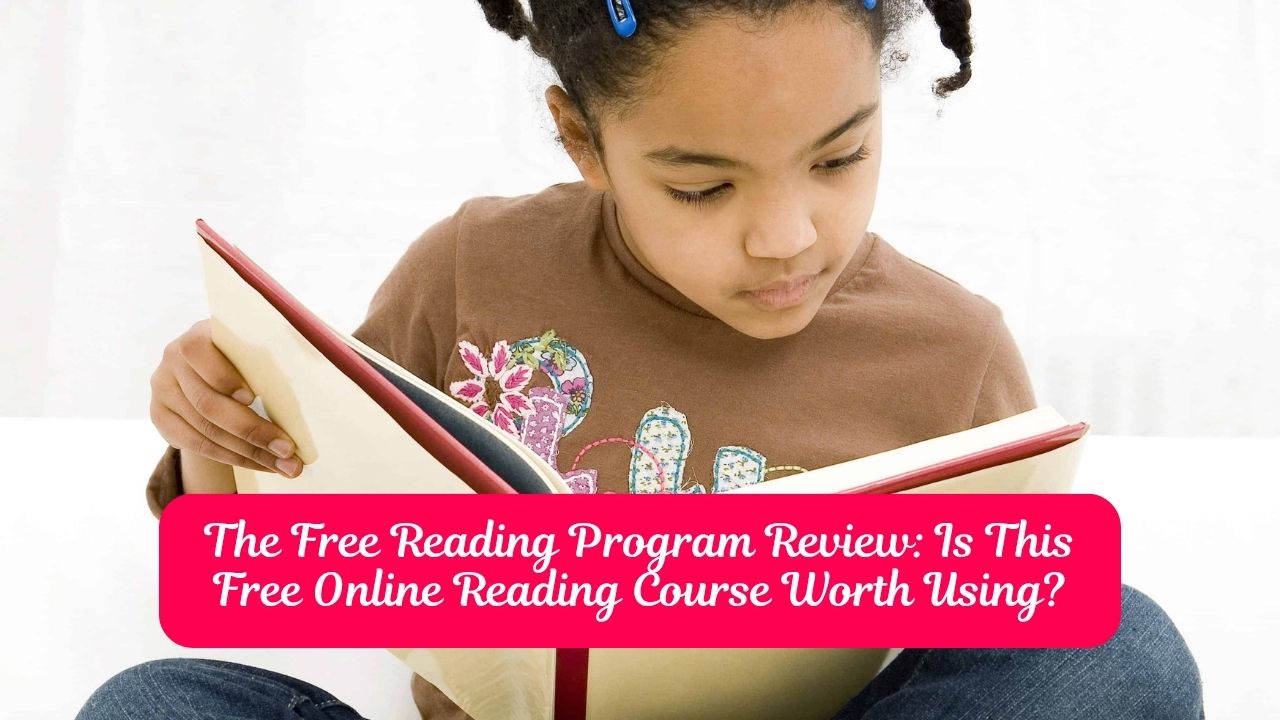
The Free Reading Program Review: Is This Free Online Reading Course Worth Using?

Free reading programs can feel like a gift, especially for parents who want to support early literacy at home without committing to an expensive subscription.
The Free Reading Program is one of those resources that sounds promising right from the name. It is entirely free, widely used, and claims to offer thousands of reading lessons for children.
But does free also mean effective and parent-friendly?
In this review, we look at The Free Reading Program through a parent lens. We focus on usability, structure, engagement, and whether it truly helps families support reading at home.
TL;DR
The Free Reading Program offers a massive amount of free phonics and reading content and is backed by a nonprofit organization. However, it is clearly designed for teachers, not parents.
The interface is outdated, the learning path is confusing, and there is very little guidance for families new to teaching reading. Best suited for educators or experienced homeschoolers, not beginners.
What Is The Free Reading Program?
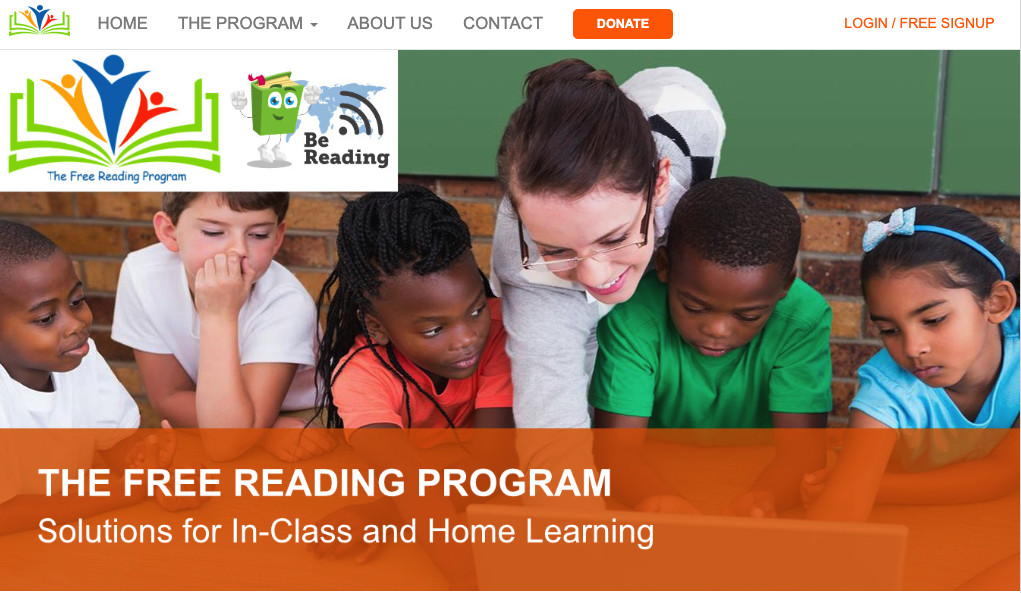
The Free Reading Program is a fully online literacy platform created to support phonics, reading, and comprehension skills.
According to the platform, it includes more than 3,000 lessons and activities and has been used by over 200,000 children.
The program was originally known as Super Phonics and began as a classroom resource shared among teachers. Over time, it was expanded and organized into a large digital platform accessible to families and schools.
Everything is delivered online. There are no printable books, worksheets, or offline materials included.
Who Is Behind The Program?
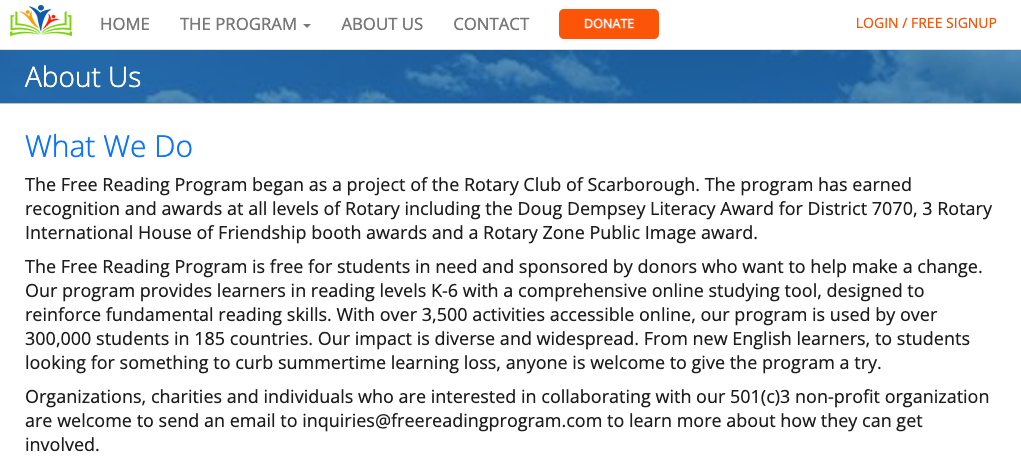
The Free Reading Program is now maintained by the Education and Community Learning Center Inc., a nonprofit organization based in Florida.
The organization’s mission is to provide high-quality educational resources at no cost to families and schools. From an access and equity standpoint, that goal is admirable and important.
The program clearly grew from a classroom environment, which strongly influences how it is structured and presented today.
How Does The Program Work?
To get started, parents create a free account and then set up a student profile for their child. Once logged in, children access lessons through their profile.
The program is divided into seven main levels, starting with kindergarten phonics and progressing through higher elementary reading skills.
Within each level, content is broken into sections such as:
- Readiness skills
- Phonics
- Sight words
- Reading comprehension
- Language activities
Each section contains a large number of individual activities. Parents or children select activities from menus and complete them one at a time.
There is no built-in daily lesson plan, recommended pacing, or clear “start here” pathway for families.
How Much Content Is Included?
The sheer volume of content is one of the program’s strongest features.
There are activities for:
- Letter sound recognition
- Blending and decoding
- Sight word practice
- Sentence reading
- Comprehension tasks
- Skill review and reinforcement
For a free resource, the amount of material available is impressive and could theoretically support years of literacy development.
What Works Well
The program being completely free is a major advantage. There are no paywalls, trials, or locked features.
The nonprofit backing gives confidence that the platform exists to serve learners rather than sell upgrades.
There is enough content to support children at many different stages of reading development.
Teachers or experienced homeschoolers may appreciate the flexibility to select specific activities based on a child’s needs.
Where The Free Reading Program Falls Short
The biggest challenge for parents is usability.
The interface feels outdated, with cluttered menus and old-style navigation that can be frustrating to use. Activities are functional but not visually engaging, especially compared to modern educational apps.
The structure is confusing for families. Lessons are grouped into large sections with no clear order or progression. Parents are expected to decide what comes next without guidance.
Much of the language used throughout the platform is teacher-focused. Terms and concepts are not explained in a parent-friendly way, which can make families feel unsure or overwhelmed.
Because young children should only spend limited time online, parents may find that much of that time is lost navigating menus rather than learning.
Is The Free Reading Program Good for Parents?
This program works best for:
- Teachers
- Homeschooling families with curriculum experience
- Parents who already understand phonics instruction
It is not ideal for:
- Parents new to teaching reading
- Families seeking a step-by-step system
- Children who need structured guidance and engagement
Most parents benefit from programs that clearly explain what to teach, when to teach it, and why it matters.
Final Verdict
The Free Reading Program is generous, well-intentioned, and rich in content. It reflects years of classroom use and offers valuable tools for those who know how to use them.
However, it is not built with parents in mind.
For families without teaching experience, the lack of structure and guidance can lead to confusion and ineffective use. In many cases, parents may unintentionally present skills in the wrong order or overwhelm their child.
As a result, this program is best used as a supplementary resource or by educators. Parents looking for a primary reading system will likely benefit more from platforms that are specifically designed for home use and guided learning.
Frequently Asked Questions
Is the Free Reading Program really free?
Yes. All content is available at no cost after creating an account.
What ages is The Free Reading Program for?
It is designed for kindergarten through elementary-age children.
Does it teach phonics?
Yes. Phonics, sight words, and reading comprehension are all included.
Is the Free Reading Program good for beginners?
Not ideal. Beginners often need a clearer structure and parental guidance.
Can parents use it successfully?
Yes, but it helps to have prior knowledge of phonics instruction.