My Honest Alphablocks Review After Using It With Kids

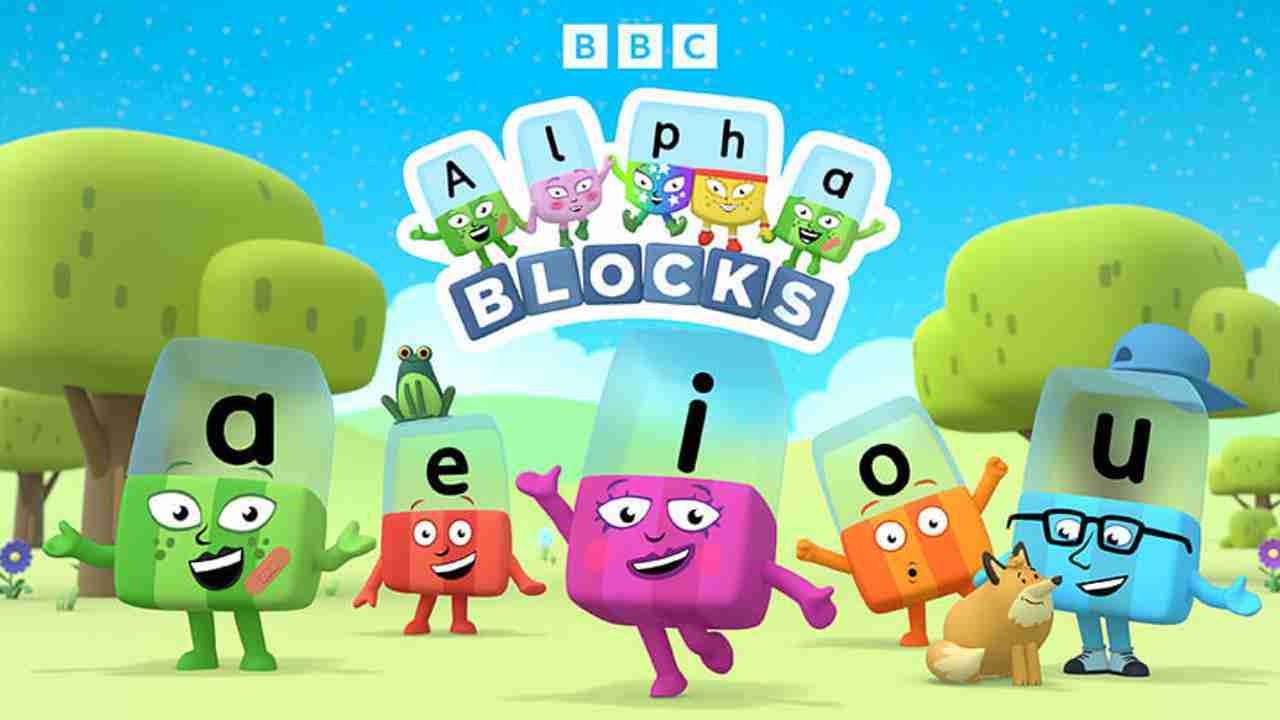
I have used a lot of phonics resources over the years, both in classrooms and at home. Some feel overly academic. Some feel noisy and pointless. A few actually work. Alphablocks sits firmly in that last category, but only when you understand what it does well and what it does not.
This is not a polished sales review. This is what Alphablocks actually felt like to use day to day with real children.
My First Impression as a Parent
The first thing that stood out to me was how short the episodes were. Most Alphablocks episodes are only a few minutes long, which immediately made me feel more comfortable pressing play. I did not feel like I was handing over a screen for too long or letting it replace real interaction.
Within the first few episodes, I noticed something interesting. The children were not just watching. They were reacting. They laughed, repeated sounds out loud, and started calling the letters by name as if they were little characters rather than abstract symbols.
That reaction matters more than it sounds.
What Alphablocks Actually Does Well in Real Use
From a real usage point of view, Alphablocks excels at introducing phonics in a friendly, pressure-free way.
Each letter becomes a character with a personality. Over time, children start to associate:
- the sound
- the shape
- the character
- the emotion
That combination is powerful. I noticed children remembering sounds far more easily than when I had previously tried flashcards or songs alone.
Another thing I appreciated was how naturally blending happens. Letters come together on screen and form words visually and audibly. I did not have to explain blending. The show demonstrated it repeatedly in a way that felt obvious to the child.
How My Child Actually Engaged With It
This was not passive viewing.
After a few days:
- Sounds from the show started popping up during play
- letters were pointed out on signs and books
- Characters were referenced by name rather than by letter alone
That told me Alphablocks was doing its job. The learning was leaking into real life.
What surprised me most was that the children were often asked to watch the same episode again. That repetition was not forced. It came from genuine enjoyment.
Where Alphablocks Falls Short
Alphablocks is not a full reading program. That became clear very quickly.
If you simply let a child watch episodes without doing anything else, progress will stall. Alphablocks builds awareness and familiarity, but it does not provide:
- structured progression
- guided practice
- writing integration
- hands-on reinforcement
When I paired episodes with quick games, things worked beautifully. When I did not, learning stayed shallow.
Another limitation is availability. Finding full collections can be frustrating, especially outside the UK. That makes it harder to rely on long-term unless you already have access to the DVDs.
How I Found It Worked Best in Practice
What worked best for us was this simple routine:
One short episode
Five minutes of movement or sound play
Then stop
Sometimes that play was as simple as:
- finding objects that start with the same sound
- acting like the characters
- clapping or jumping when hearing the sound
That tiny bit of interaction made a big difference. Alphablocks became the spark, not the whole fire.
Screen Time Reality Check
I am cautious about screens with young children. Alphablocks felt like one of the few screen-based tools that respected attention span and learning limits.
I never allow binge-watching. One episode a day was enough. Any more and the impact faded.
Used that way, it felt supportive rather than distracting.
My Final Honest Take
Alphablocks is one of the best phonics engagement tools I have used. It makes letter sounds feel friendly, memorable, and approachable.
It is not enough on its own.
It should not replace play.
It should not replace interaction.
But as a starting point or a daily phonics spark, it is genuinely excellent.
If you want your child to enjoy phonics instead of resisting it, Alphablocks is worth using. Just make sure you stay involved and keep learning.
Frequently Asked Questions
Is Alphablocks good for teaching phonics?
Yes, Alphablocks is very good for introducing phonics sounds in a fun and memorable way. Children quickly associate sounds with characters, which helps build early phonics awareness. It works best when combined with hands-on activities rather than used alone.
What age is Alphablocks best for?
Alphablocks is best suited for children aged 3 to 6. Younger children enjoy the characters and sounds, while older preschoolers and early readers benefit from blending and word formation shown in the episodes.
Can Alphablocks teach my child to read?
Alphablocks helps build phonics awareness and blending skills, but it is not a complete reading program. It works best as a support tool alongside games, reading practice, and parent-guided phonics activities.
How often should my child watch Alphablocks?
One short episode per day is more than enough. Alphablocks episodes are designed to be brief, and limiting screen time helps children retain what they learn and stay engaged.
Is Alphablocks better than phonics flashcards?
For most children, yes. Alphablocks makes phonics feel playful and meaningful, whereas flashcards can feel repetitive and boring. Characters and stories help sounds stick more naturally.
Does Alphablocks still exist?
Alphablocks is no longer actively produced, and some resources are becoming harder to find. DVDs and older collections are still available in some regions, but availability continues to decline.
Should parents watch Alphablocks with their child?
Yes. Watching together and following up with simple sound games or movement activities makes Alphablocks far more effective and helps turn screen time into active learning.
Read More Reviews!