11 Tips for Becoming a Peaceful and Calm Parent on Stressful Days

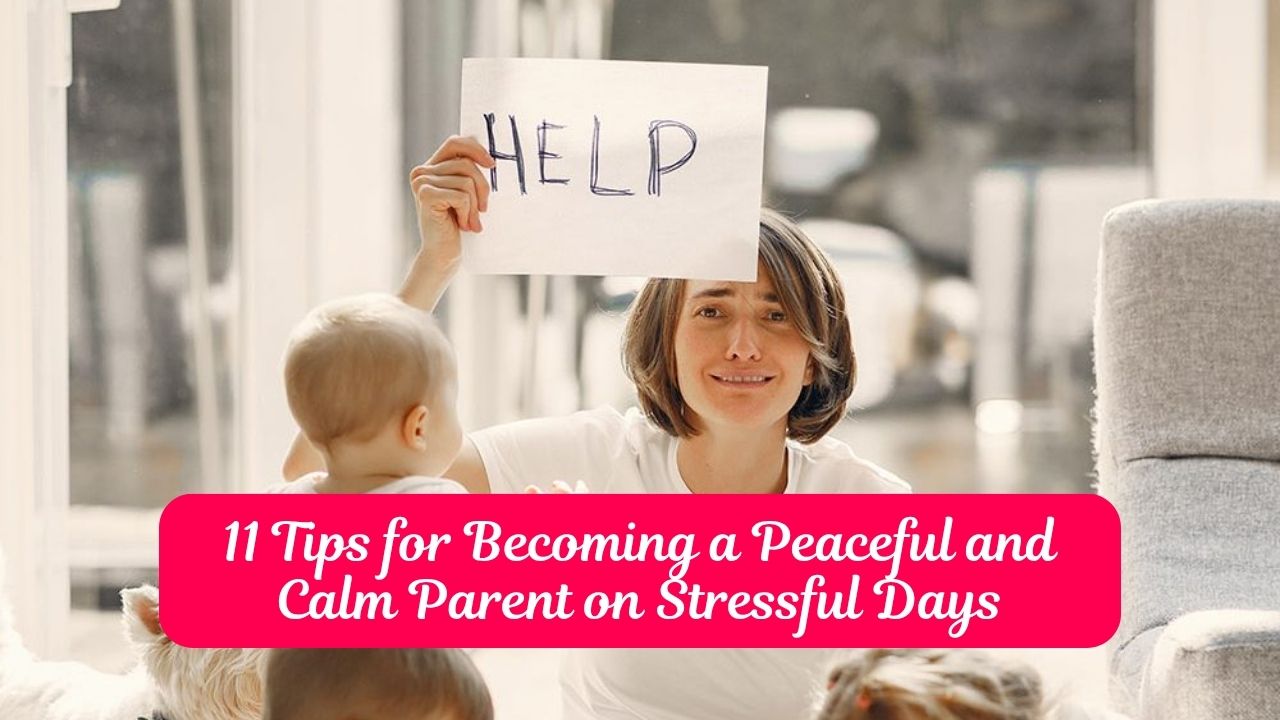
There are days when I feel like I am doing okay as a parent. And then there are days when everything feels loud, rushed, and out of control before breakfast is even over.
On those days, I notice how thin my patience feels. Small things bother me more than usual. Whining feels unbearable.
Messes feel personal. I react faster than I want to, and afterward, I am left with guilt and the question I know many parents ask themselves.
Why was that so hard?
Calm parenting on stressful days is not about pretending those days do not exist. It is about learning how to regulate yourself enough to respond with intention instead of reacting from overwhelm.
t takes practice, support, and realistic strategies that work in real life, not just on good days.
The Calm Toolbox
1. The 5-Breath Pause
Interrupt the impulse to react. 5 slow breaths bring your brain back online.
2. Lower the Bar
High stress requires lower expectations. Simpler meals, fewer tasks, more grace.
3. Micro Self-Care
A quiet cup of coffee or a bathroom “reset” prevents your patience from hitting zero.
4. The 7-7-7 Rule
7 mins of presence in the morning, after work, and before bed fills the emotional bank.
5. Predictable Anchors
Stick to basic routines to reduce decision fatigue and lower transition stress.
6. Know Your Triggers
Identify what snaps your patience (whining, mess) and plan a calm response ahead of time.
7. The Big Picture
Ask: “Will this matter in a year?” If not, let it go and save your energy.
8. Teach, Don’t Punish
Focus on what they need to learn instead of what they “deserve.”
9. Sensory De-escalation
Use bubbles, water, or stretching to regulate the body when words fail.
10. Notice Glimmers
Actively look for one small positive moment to shift from reactive to responsive.
11. Repair the Break
If you lose your cool, apologize. Repair is more powerful than perfection.
These are the 11 calm parenting strategies I come back to when stress is hig,h and my nervous system is stretched.
1. Pause Before Reacting When Emotions Spike
When frustration rises, my first instinct is often to fix, correct, or raise my voice. I have learned that the most important step is to pause.
Even a few seconds matter. I try to take five slow, deep breaths before responding. Not to calm down completely, but to interrupt the impulse to react.
That pause gives my brain time to come back online. It helps me choose my response instead of letting my emotions take over. Pausing is not a weakness. It is a regulation in action.
2. Lower Expectations on Hard Days
One of the biggest shifts I have made is accepting that not every day requires the same expectations.
On stressful days, I consciously lower the bar. Fewer tasks. Simpler meals. Less correcting. More grace.
When I expect myself and my child to function at full capacity during high stress, frustration grows quickly. When I adjust expectations to match reality, the day feels more manageable.
Lowering expectations does not mean giving up. It means parenting with awareness.
3. Prioritize Self-Care Without Guilt
I used to think self-care meant long breaks or perfect routines. Now I know it often looks much smaller.
It might be a quiet cup of coffee before anyone else wakes up. A short walk. A few pages of a book. A deep breath in the bathroom with the door closed.
Self-care keeps my patience reservoir from running empty. When I skip it entirely, I become more reactive without realizing why. Caring for myself helps me show up calmer for my child.
4. Use the 7 7 7 Connection Rule
Connection makes calm parenting possible.
One strategy that has helped me is the 7 7 7 rule. Seven minutes of undivided attention in the morning. Seven minutes after school or work. Seven minutes before bed.
No phone. No multitasking. Just presence.
These small pockets of connection fill the emotional bank for both of us. When the connection is strong, cooperation becomes easier, and stressful moments feel less explosive.
5. Stick to Predictable Routines
On chaotic days, routines become anchors.
Consistent bedtime and mealtime routines provide structure and safety for children, especially when emotions are high. They also reduce decision fatigue for parents.
I rely on routines not because I want everything rigid, but because predictability lowers stress for everyone. When kids know what comes next, they resist less.
6. Identify Your Personal Triggers
Every parent has triggers. For me, it is whining when I am tired and sibling conflict when I feel overwhelmed.
Once I identified my triggers, I stopped judging myself for having them and started planning for them.
I prepare calm responses ahead of time. I remind myself that my reaction is about my nervous system, not my child’s character. Awareness helps me respond instead of exploding.
7. Focus on the Big Picture
When stress is high, everything feels urgent and personal.
I have learned to ask myself one question. Will this matter in a week or a year?
Often, the answer is no. That perspective helps me let go of minor battles and save my energy for what truly matters. Calm parenting is about choosing which moments deserve your full emotional investment.
8. Use Positive Discipline Instead of Punishment
Punishment may stop behavior in the moment, but it often increases stress and fear long-term.
Positive discipline focuses on guidance, boundaries, and teaching. It keeps the relationship intact while addressing behavior.
When I focus on what my child needs to learn instead of what they deserve, my tone changes. The situation feels less like a power struggle and more like a shared problem to solve.
9. Use Sensory Tools to De-Escalate
Stress lives in the body, especially for children.
On overwhelming days, sensory activities help regulate emotions faster than words. Blowing bubbles. Playing with water. Stretching. Deep breathing together.
These tools help both of us reset. They remind me that calm parenting is as much physical as it is emotional.
10. Practice Noticing Glimmers
Stress trains the brain to look for danger. Glimmers train it to notice safety.
I actively look for small positive moments. A smile. A laugh. A quiet sip of tea. A hug.
These moments shift my nervous system from reactive to responsive. They do not erase stress, but they soften its grip.
11. Apologize and Reset When You Lose Your Cool
I still lose my temper sometimes. Calm parenting does not mean perfection.
What matters most is repair.
When I yell or react in a way I regret, I apologize. I name what happened. I take responsibility. I reconnect.
Apologizing teaches emotional responsibility. It shows my child that mistakes do not break relationships. Repair is one of the most powerful calm parenting tools there is.
Conclusion
Calm parenting on stressful days is not about eliminating stress. It is about learning how to move through it with awareness, regulation, and compassion.
Some days will feel harder than others. On those days, progress looks like pausing instead of exploding. Lowering expectations. Choosing a connection. Repairing when needed.
Calm parenting is a practice built one moment at a time. And every time you choose to respond instead of react, you are teaching your child how to do the same.
Frequently Asked Questions
Is calm parenting realistic during stressful days?
Yes, but it looks different on stressful days. Calm parenting does not mean being calm all the time. It means returning to regulation as often as possible and repairing when you lose it.
Does calm parenting mean never yelling
No. Yelling happens when parents are overwhelmed. Calm parenting focuses on reducing how often it happens and repairing afterward, not achieving perfection.
How can I stay calm when my child triggers me?
Awareness is the first step. Identify your triggers, prepare responses ahead of time, and prioritize regulation before discipline. Self-care and support matter here.
Can calm parenting work with strong-willed children
Yes. Calm parenting can be especially helpful for strong-willed children because it focuses on connection, consistency, and clear boundaries instead of control.
What if I feel guilty for focusing on myself
Caring for yourself strengthens your ability to care for your child. A regulated parent creates a safer emotional environment for everyone.