
How to Get Kids to Listen Without Yelling or Power Struggles

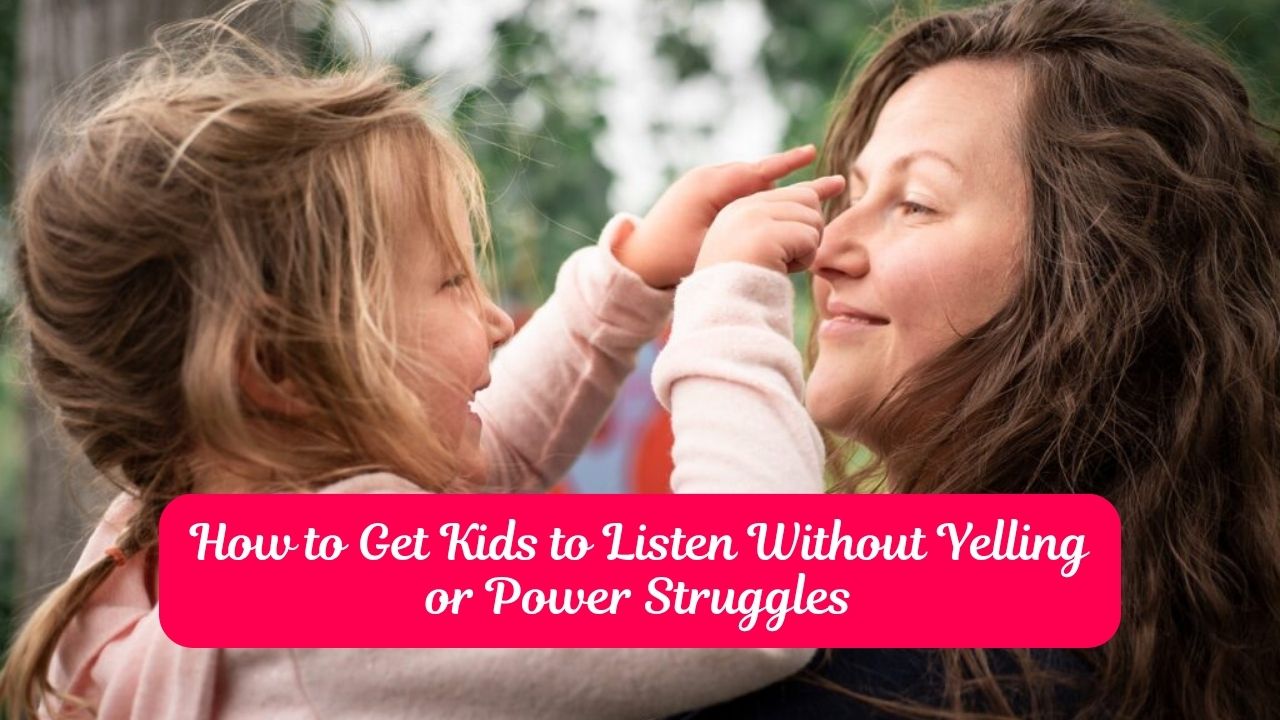
Getting kids to listen can feel like talking into thin air. You ask once, then twice, then suddenly you are raising your voice and wondering how it got there. If you are tired of repeating yourself and want calmer, more connected ways to communicate with your child, you are in the right place.
This guide will help you understand why kids struggle with listening and show you practical, relationship-focused strategies that actually work in real life.
What Listening Really Means for Kids
When parents say, “My child never listens,” what they usually mean is, “My child does not cooperate when I ask them to do something they do not want to do.”
That shift matters.
Listening is not about hearing words. Most kids hear us just fine. Listening is about cooperation, and cooperation is deeply connected to emotional regulation, brain development, and how safe and connected a child feels in the moment.
Once you stop seeing your child as defiant and start seeing them as having a hard time, everything changes.
Why Kids Struggle to Cooperate
Listening Without Power Struggles
Moving from Conflict to Cooperation
The Shift in Perspective
Listening isn’t about obedience; it’s about cooperation. Cooperation happens when a child feels safe, connected, and emotionally regulated. When we stop seeing “defiance” and start seeing “development,” our response changes.
The “Connect First” Tool
Before you give a direction, step into their world. Acknowledge the feeling before stating the boundary.
“I see you’re really enjoying those blocks. It’s hard to stop. It is time for shoes now.”Why They Struggle
Their brains are wired for the present moment. Impulse control is still under construction. Pushing back isn’t a personal attack—it’s a reach for independence.
Breaking the Cycle
- Get close: Don’t shout from another room.
- Fewer words: Keep instructions simple.
- Warnings: Use transition “heads-ups.”
- Check needs: Are they hungry, tired, or overstimulated?
Listening is cooperation, not blind obedience.
Connection is your strongest influence.
Repair after mistakes builds lifelong trust.
Kids are not wired to make life easy for adults. They are wired to grow, explore, and learn. Here are the most common reasons listening feels so hard.
1. Their brains are still developing
A child’s brain is built for the present moment. The part of the brain responsible for impulse control, planning, and emotional regulation is still under construction and will be for many years.
That means stopping a fun activity to do something boring or uncomfortable feels genuinely difficult, not disrespectful.
When your child keeps playing instead of putting on their shoes, it is not a power move. It is a brain development reality.
2. They crave independence
Kids are told what to do all day long. Over time, it is natural for them to push back as a way of saying, “I want some control over my own life.”
This often shows up during transitions, safety rules, and daily routines like brushing teeth or turning off screens.
When kids feel powerless, they look for power wherever they can find it.
3. Connection is running low
Connection is the foundation of cooperation. When kids feel seen, understood, and emotionally safe, they are more likely to work with us.
When the connection is low, requests feel like demands, and demands invite resistance.
This is why yelling may get short-term compliance but damages long-term cooperation.
How to Get Kids to Listen in Daily Life
One simple shift can change everything.
Connect first. Ask second.
Before giving an instruction, step into your child’s world for a moment. Acknowledge what they are doing or feeling, then make the request.
Here is what that sounds like in real life.
“I see how focused you are on that game. It is hard to stop when you are having fun. It is time to put shoes on now.”
“You really love playing with those blocks. I get why you do not want to stop. We need to leave, and we can build more later.”
“You are upset because playtime is ending. That makes sense. It is still bath time.”
Connection does not mean removing the boundary. It means delivering the boundary with empathy.
What If I Yell at My Kid
If you have yelled, you are not a bad parent.
You are a human parent.
Yelling usually means you were overwhelmed, stressed, or running on empty. What matters most is what happens next.
This is where repair comes in.
Repair sounds like this:
“I was really frustrated earlier. It was not okay that I yelled. I am working on handling my big feelings. I love you.”
Repair teaches kids that relationships can handle mistakes. It builds trust instead of fear.
And yes, repair works even if your child rolls their eyes or shrugs. The message still lands.
How to Break the Yelling Cycle
Yelling often happens when parents feel unheard and out of control.
To reduce yelling:
- Get close instead of shouting across the room
- Use fewer words
- Give transition warnings
- Check basic needs like hunger, tiredness, or overstimulation
- Build connections outside of discipline moments
Listening improves when kids feel safe, not scared.
3 Key Takeaways on Getting Kids to Listen
- Listening is about cooperation, not obedience
- Connection is the strongest tool you have
- Repairing after mistakes strengthens your relationship
You do not need to be a perfect parent. You need to be a present one.
The fact that you are learning and trying already matters more than you think.
Frequently Asked Questions
Why does my child only listen when I yell
Yelling triggers a stress response that causes immediate reaction, not true cooperation. It works in the moment but teaches fear, not skills. Long-term listening comes from connection and emotional safety.
Is it normal for kids not to listen sometimes?
Yes. It is completely normal and developmentally appropriate. Listening is a skill that grows over time, especially when supported with patience and clear communication.
How do I apologize after yelling at my child?
Keep it simple and honest. Name your behavior, take responsibility, and reassure your child of your love. You do not need a long explanation.
What should I do when my child ignores me
Move closer, make eye contact, and restate your request calmly. If ignoring continues, check whether your child is overwhelmed, tired, or needing connection before repeating the demand.