Headsprout Reading Program Review: An Experienced Teacher’s Honest Take

When children struggle with reading, the impact reaches far beyond schoolwork. Reading difficulties can affect confidence, behavior, academic progress, and long-term opportunities.
As a classroom teacher, I have seen firsthand how early reading struggles can shape a child’s entire educational experience.
Parents often come to me feeling overwhelmed. They know reading is important, but they do not know where to start or which programs actually work. That confusion leads many families to online reading programs like HeadSpring.
So the real question is not just whether Headsprout exists or looks professional, but whether it genuinely helps children learn to read in a way that makes sense for families at home.
This review is based on extended hands-on use of the program and years of experience teaching children to read.
TL;DR
Headsprout is an expensive, screen-heavy reading program originally designed for classrooms. While it offers structured lessons and progress tracking, it feels outdated, confusing for parents, and poorly aligned with how most young children learn phonics best. There are more affordable, parent-friendly options available today.
What Is the Headsprout Reading Program?

Headsprout is an online reading curriculum offered through Learning A-Z, which is owned by Cambium Learning Group, a large U.S.-based education company. The program is marketed as a comprehensive reading solution designed to help children become confident, fluent readers.
Headsprout teaches reading through interactive online episodes that focus on phonics, blending, and early reading comprehension. Lessons are supported by digital books, assessments, and printable worksheets.
The company describes Headsprout as suitable for kindergarten through fifth grade, although in practice it is more commonly used with younger elementary students.
How Headsprout Teaches Reading
Headsprout relies heavily on animated, interactive lessons delivered through a screen. Children click, drag, listen, and respond to prompts as they move through structured episodes. The lessons are organized into themed “worlds,” such as space or dinosaurs, intended to add a sense of story and progression.
Each lesson introduces new phonics patterns, reviews previous skills, and includes built-in assessments to track progress. Parents can create student profiles and view completion data and test results.
On paper, the structure sounds solid. In practice, the experience is more complicated.
Headsprout Pricing

Headsprout costs $216 per year, which places it among the more expensive home reading programs currently available.
The pricing is not clearly displayed upfront and is typically only visible during the checkout process. While the program does offer a 14-day free trial without requiring a credit card, many parents are surprised by the full annual cost once they reach the payment stage.
There is also a 30-day money-back guarantee, but this information is not prominently displayed and requires searching through the support documentation.
What Headsprout Does Well
A Free Trial Without Pressure
The free trial is a positive feature. Parents can explore the platform without immediately committing financially, which shows some confidence in the product.
Student Progress Tracking
Headsprout includes detailed tracking tools that allow parents to monitor lesson completion, assessment results, and progress over time. This can be helpful for families with multiple children or those who like data-driven feedback.
Structured Curriculum
The program follows a defined scope and sequence. For teachers who already understand reading instruction, this structure can be useful as a supplementary resource.
Where Headsprout Falls Short
The Phonics Order Is Unusual
One of the biggest issues from a teaching perspective is the order in which phonics concepts are introduced. Instead of starting with sound combinations that quickly allow children to build simple words, the program introduces less intuitive sound patterns early on.
This makes it harder for children to experience early success with blending and word building, which is critical for motivation and confidence.
Not Suitable for Young Children
Headsprout is not appropriate for toddlers or preschool-aged children. It lacks the hands-on, movement-based learning young children need. Even for kindergarteners, the heavy reliance on screens may not align with best practices for early literacy development.
Outdated Design
The visual design and interaction style feel dated. Many activities resemble early internet flash games rather than modern educational tools. For children accustomed to today’s digital experiences, this can quickly become boring.
Confusing for Parents
Headsprout includes a large number of components: lessons, assessments, printable materials, strategy guides, and scope documents. However, there is no clear, parent-friendly roadmap that explains how all of these pieces fit together.
Parents without a teaching background are likely to feel overwhelmed and unsure what to use, when, and why.
Designed for Classrooms, Not Homes
The language, structure, and instructional materials are clearly written with teachers in mind. Educational terminology is used without explanation, and parents are expected to interpret teaching strategies on their own.
This creates a steep learning curve for families simply trying to help their child read.
Excessive Screen Time
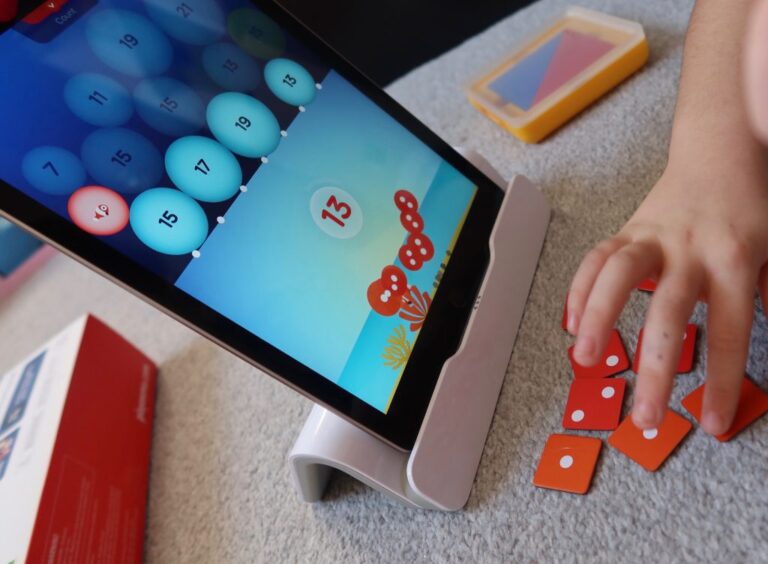
Reading instruction does not need to be screen-based, especially for young learners. In fact, many children learn phonics more effectively through hands-on games, physical movement, and real-world interaction.
Adding significant screen time for reading instruction may work against how many children naturally learn best.
Is Headsprout Worth the Cost?
For schools or trained educators, Headsprout may function as a supplementary digital resource. For parents, however, it is difficult to justify the price.
At over $200 per year, the program feels outdated, overly complex, and poorly suited to home use. Most parents will struggle to create a coherent reading plan using Headsprout alone.
Simply put, there are better, more affordable, and more parent-friendly options available today.
What I Recommend Instead
One program that consistently stands out is Children Learning Reading. It is a one-time purchase rather than a recurring subscription, costs significantly less than Headsprout, and is specifically designed for parents.
The program focuses on hands-on learning, clear step-by-step guidance, and minimal screen use. Parents are told exactly what to do, in what order, and why.
For families who want to include a digital element, pairing a hands-on program with a simple game-based app like Teach Your Monster to Read offers a more balanced and effective approach.
Final Verdict
Headsprout feels like a program stuck in the past. While it offers structure and tracking, it is expensive, confusing, and overly screen-dependent.
For parents trying to support their child’s reading journey at home, it is not the best choice.
Pros
- Free trial available
- Detailed progress tracking
- Structured curriculum
Cons
- High annual cost
- Outdated design
- Confusing for parents
- Screen-heavy
- Not ideal for young children
Bottom Line
Headsprout may work in a classroom setting, but for families, there are better tools that are easier to use, more affordable, and more aligned with how children actually learn to read.
Read More Reviews!