
Feeding a Picky Eater: Do’s and Don’ts Every Parent Should Know

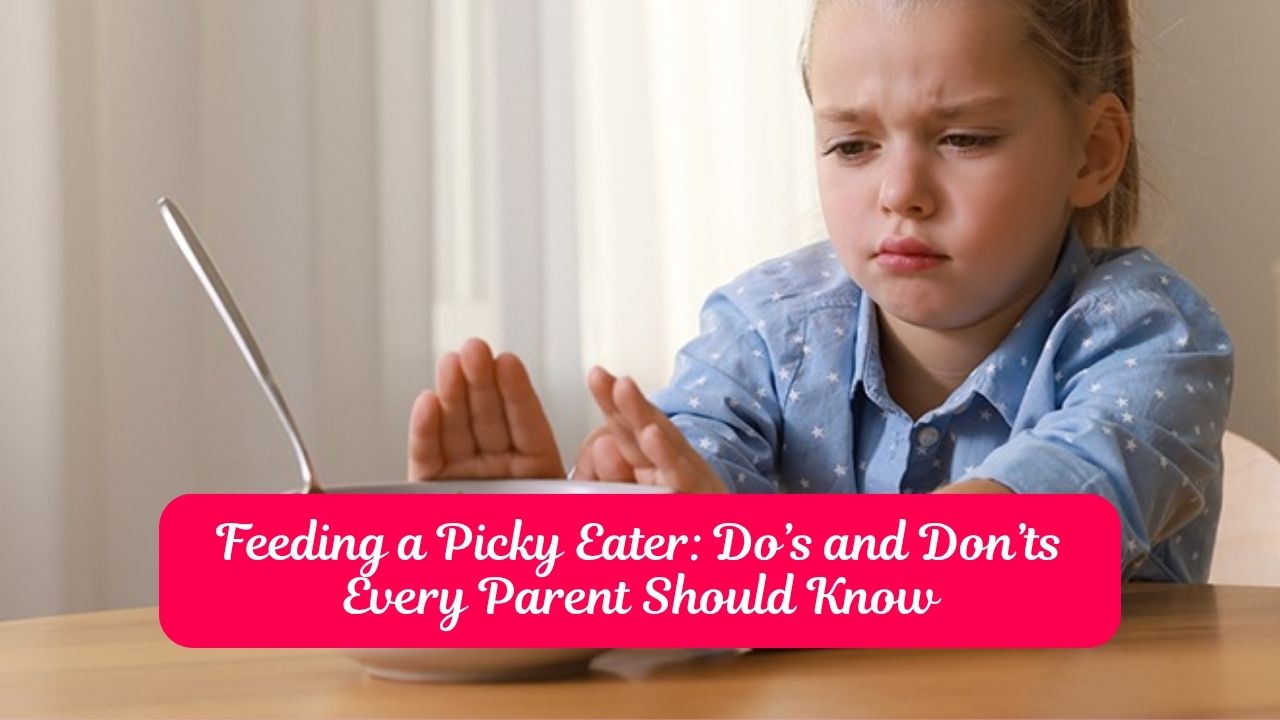
If your child only eats the same few foods every single day, you are not alone. Many parents worry when their child refuses fruits, vegetables, or anything unfamiliar. Mealtimes can quickly turn stressful, emotional, and exhausting.
The good news is that picky eating is prevalent in young children. With patience, consistency, and the right approach, most kids can slowly learn to feel more comfortable around new foods.
This guide walks you through what helps and what hurts when feeding a picky eater, plus when it might be time to get extra support.
Why is picky eating so common in young kids
Feeding with Confidence
Exposure is the Goal, Not Consumption
Keep Offering
It can take 15+ exposures for a child to feel “safe” with a new food. Simply having it on the plate counts as progress.
Pressure or Force
Bargaining or forcing “one more bite” increases stress and can make a child more resistant to that food long-term.
Prioritize Hunger
Space out snacks and drinks. A child who arrives at the table with a genuine appetite is more likely to explore new tastes.
Carry the Blame
Picky eating is a developmental phase, not a parenting failure. Different children have different sensory thresholds.
When to Seek Support
While most picky eating is normal, consult a professional if your child:
- Avoids entire food groups (e.g., no veggies)
- Becomes extremely distressed by new smells
- Loses weight or stops growing
- Limits themselves to fewer than 20 foods
Picky eating often starts between the ages of two and four. At this age, children are learning independence and becoming more aware of tastes, textures, and smells.
This phase is actually normal for many kids. It may be part of how their brains learn to be cautious. New foods can feel scary, even if they are safe.
For most children, picky eating habits tend to improve over time with gentle guidance.
Do remember that picky eating is usually normal
Many children go through a stage where they only want familiar foods. This does not mean you have done something wrong as a parent.
Some kids are simply more sensitive to change. They may need more time and repetition before feeling safe enough to try something new.
Try to stay calm and remind yourself that this stage does not last forever.
Don’t blame yourself
Parents often feel guilty when their child refuses food. But picky eating is rarely caused by poor parenting.
If you have more than one child, you may notice that one eats everything while another eats very limited variety. This shows how different children can be, even in the same home.
Give yourself grace. Frustration is normal, but blame is not helpful.
Do keep offering new foods again and again
Many parents give up too quickly on a new food. Research shows that children may need to see or taste a new food many times before accepting it.
Instead of pushing, try offering small amounts again later. Even having the food on their plate counts as exposure.
Your child does not need to eat it right away. Seeing it regularly helps reduce fear.
Don’t pressure, force, or beg
Pressure can backfire. When kids feel forced, they may resist even more.
Avoid begging, bargaining, or making mealtime a battle. Try to stay neutral and relaxed, even when your child refuses food.
Your job is to offer healthy options. Your child’s job is to decide what and how much to eat.
Do make sure your child comes to the table hungry
If kids snack or drink too often, they may not feel hungry at mealtime.
Try spacing snacks and drinks so your child has time to build an appetite. Water is fine between meals, but avoid filling up on juice or milk right before dinner.
A hungry child is more open to trying food.
Don’t fear hunger between meals
It is okay for your child to feel hungry sometimes. Hunger helps children learn to enjoy meals and look forward to food.
Feeling hungry for a short time is not harmful. It does not mean your child is being neglected.
Trust that regular meals and snacks will meet their needs.
Do set calm and clear limits
Setting food boundaries does not mean being harsh. It means being clear and consistent.
You can explain expectations in a calm voice, such as tasting one bite before dessert or sitting at the table during meals.
If your child chooses not to eat, follow through on the boundary without anger. Then move on with the evening.
Do create a positive mealtime routine
Routines help children feel safe.
Try to eat meals around the same time each day. Turn off screens and focus on conversation. Keep meals short and relaxed.
When mealtime feels pleasant, kids are more likely to feel comfortable around food.
Don’t ignore signs of severe picky eating
Some children struggle more than others. While picky eating is often normal, there are times when extra help is needed.
You may want to seek professional support if your child:
• Refuses to taste any new food at all
• Becomes extremely upset around unfamiliar foods
• Stops eating foods they once enjoyed
• Avoids entire food groups
Getting help early can make a big difference for both parents and children.
Feeding a Picky Eater FAQ
How long does picky eating usually last?
For many children, picky eating peaks between ages two and four and improves as they grow. Some kids take longer, but most expand their food choices with time.
Should I make a separate meal for my picky eater?
It is usually best to serve the same meal to everyone. Include at least one food your child likes so they feel safe at the table.
What if my child refuses vegetables completely?
Keep offering them in small amounts without pressure. Try different forms, such as raw, cooked, or mixed into meals.
Can rewards help picky eaters try new foods?
Small rewards can sometimes help, but avoid turning food into a power struggle. Praise and encouragement often work better than prizes.
When should I worry about picky eating?
If picky eating affects growth, causes stress, or limits nutrition, it may be time to talk with a pediatrician or feeding specialist.
Final thoughts
Feeding a picky eater can be emotionally draining, but you are not failing. Small steps matter more than quick results.
Stay patient. Stay consistent. Keep meals calm and predictable.
Most importantly, remember that your child’s relationship with food grows over time. With love, structure, and gentle encouragement, progress will come.