7 Gentle Ways to Handle Toddler Tantrums Without Yelling and Keep Your Calm Intact

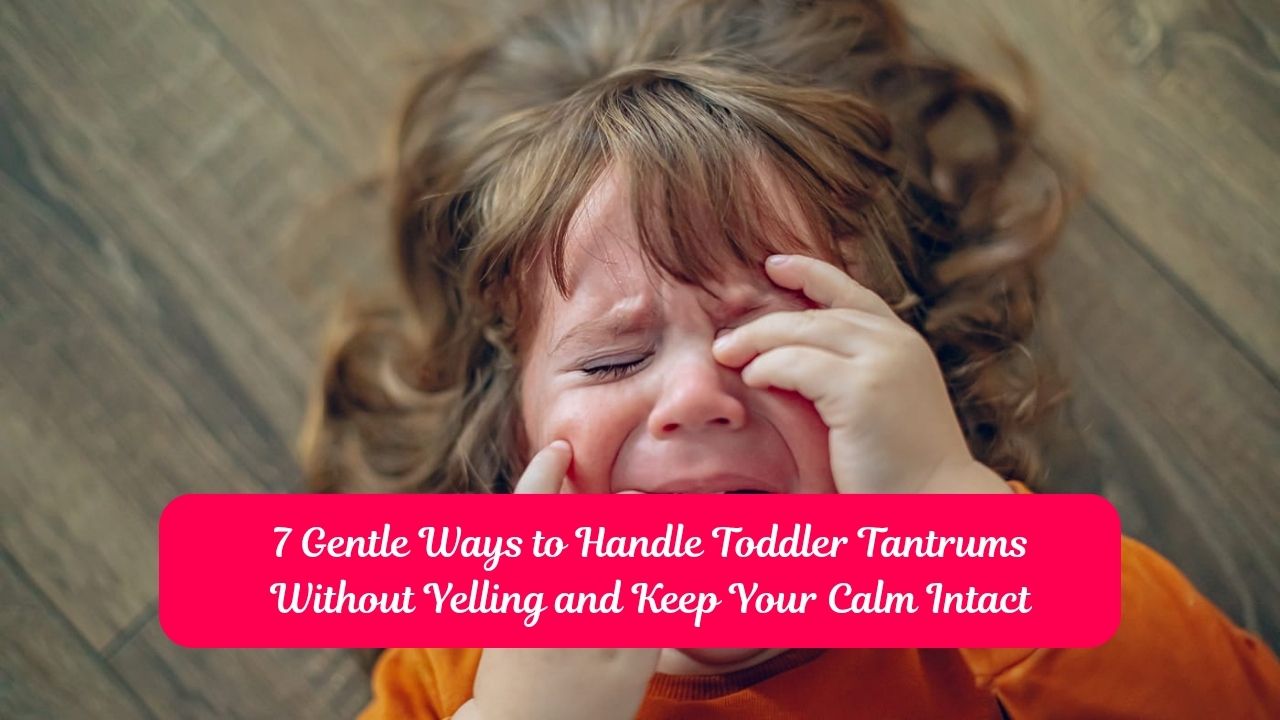
If you searched for how to handle toddler tantrums without yelling, I already know you are tired. Probably overstimulated. Maybe holding back tears while your toddler is losing it over the wrong cup or a snack that broke in half.
You want to stay calm. You really do. But some days it feels impossible.
This is not about being a perfect parent. This is about finding realistic ways to get through tantrums without raising your voice and without feeling awful afterward. These are gentle, doable strategies that actually work in real life, even on the hard days.
Why Toddler Tantrums Feel So Intense Right Now
Toddler tantrums hit differently because toddlers are stuck between wanting independence and not having the skills to manage it yet. They feel everything deeply, but they do not have the words or emotional tools to explain what is happening inside their little bodies.
Add in hunger, tiredness, overstimulation, or a small disappointment, and suddenly it explodes.
As parents, we are often juggling our own stress too. Work. Household responsibilities. Lack of sleep. Emotional overload. When a tantrum happens, it can feel like one more thing stacked on an already full plate.
Yelling might feel like a release in the moment, but it rarely helps the situation. It can escalate emotions, create fear, and leave both you and your child feeling disconnected.
Learning how to handle toddler tantrums without yelling is not about suppressing emotions. It is about responding in a way that teaches regulation instead of reacting with frustration.
How to Handle Toddler Tantrums Without Yelling
The Calm Connection
Eye Level
Crouching down sends a message of safety. Meeting their eyes shows you are present and non-threatening.
Low & Steady
Whispering or speaking quietly shifts their attention. You are modeling regulation instead of matching their volume.
Name the Feeling
Toddlers feel misunderstood. Saying “You are frustrated” helps them feel seen and builds their emotional vocabulary.
Firm Boundaries
Gentle is not permissive. Say “I cannot let you hit” calmly. Holding the boundary builds long-term trust.
The Calm Space
Create a spot with soft pillows. This isn’t a timeout—it’s a place to learn regulation through comfort.
Repair the Moment
If you yell, apologize. Showing that mistakes can be fixed is more important than being perfect.
Start by calming yourself first
This one is hard, but it is the foundation of everything else.
Before you address your toddler, take a moment for yourself. Even one deep breath can change how the situation unfolds. Breathe in slowly, then breathe out even slower. Drop your shoulders. Unclench your jaw.
Toddlers borrow our nervous systems. When you slow down, it gives them a chance to slow down too. You do not need to be perfectly calm. You just need to be calmer than the storm happening in front of you.
If you feel yourself getting overwhelmed, it is okay to pause for a second before responding. That pause is powerful.
Get down to their eye level
Standing over a melting-down toddler can feel intimidating to them, even if that is not your intention. Getting down to their level changes the entire energy of the interaction.
When you crouch or sit so your eyes meet theirs, you are sending a message of safety and connection. You are showing them you are present, not threatening.
This small shift can make a big difference in how quickly a tantrum de-escalates.
Name what they are feeling
Toddlers often tantrum because they feel misunderstood. They know something feels wrong, but they do not know how to explain it.
Try naming the emotion for them. Say things like, “You are really upset,” or “That was frustrating,” or “You wanted that, and it did not happen.”
You do not need to fix the feeling right away. Simply acknowledging it helps your child feel seen. Feeling understood often reduces the intensity of the tantrum.
This also helps build emotional vocabulary over time, which leads to fewer tantrums in the future.
Keep your voice low and steady
It might feel counterintuitive, but speaking quietly can be more effective than raising your voice. A calm, steady tone communicates safety and control.
When adults yell, toddlers often yell louder. When adults stay calm, toddlers eventually follow.
If you feel your voice rising, slow down your speech. Lower the volume intentionally. Sometimes even whispering can pull a toddler out of the chaos because it shifts their attention.
You are not giving in by staying calm. You are modeling how to handle big emotions.
Use playful distraction when possible
Not every tantrum needs a serious response. Sometimes toddlers just need a quick emotional reset.
Playfulness can be a powerful tool. You might make a silly face, pretend to trip, start dancing, or use a funny voice. Even something unexpected, like walking backwards, can snap them out of the spiral.
This works best at the beginning of a meltdown, not when emotions are already at their peak. Think of it as gently redirecting rather than dismissing their feelings.
Play tells your child that the world is safe again.
Set firm boundaries without anger
Gentle parenting does not mean permissive parenting. Boundaries are still important, especially when safety is involved.
You can say no without yelling. You can stop harmful behavior without shaming.
For example, “I will not let you hit,” or “I cannot let you throw that.” Say it calmly and confidently. If needed, gently move their body away or remove the object.
Hold the boundary even if they cry. Crying is not a sign that you did something wrong. It is a sign that your child is processing disappointment.
Consistency builds trust. Anger builds fear.
Create a calm space for regulation
Having a designated calm space can be incredibly helpful. This might be a corner with pillows, a soft rug, stuffed animals, or a favorite blanket.
This is not a timeout area. It is a place to calm down.
Some toddlers want you there with them. Others need space. Follow their lead. Over time, this space becomes associated with comfort and regulation rather than punishment.
Teaching a child how to calm down is more effective than demanding that they calm down.
Preventing Tantrums Before They Start
While tantrums are normal, some can be reduced with a little proactive planning.
Pay attention to patterns. Does your toddler melt down when they are hungry, tired, or overstimulated? Try offering snacks, rest, or quiet time before emotions boil over.
Give warnings before transitions. Toddlers struggle with sudden changes. Saying “five more minutes” or using a timer can help them mentally prepare.
Offer choices whenever possible. Choices give toddlers a sense of control, which reduces frustration. Even simple choices like which shirt to wear can help.
Model emotional regulation yourself. Toddlers learn more from what we do than what we say.
When Yelling Happens Anyway
Even with the best intentions, yelling happens. You are human.
If you yell, repair the moment afterward. Apologize. Say something like, “I should not have yelled. I was feeling overwhelmed, but I am working on staying calm.”
This teaches accountability and shows your child that mistakes can be repaired. Repair matters more than perfection.
Why Staying Calm Actually Works
Handling toddler tantrums without yelling helps children feel safe. Safety is what allows their nervous systems to settle.
Over time, calm responses teach toddlers how to manage emotions, communicate needs, and trust their caregivers.
It also helps parents feel more confident and less reactive.
This approach is not about controlling your child. It is about guiding them.
Frequently Asked Questions
Is it normal for toddlers to have tantrums every day?
Yes, daily tantrums can be completely normal, especially between the ages of one and three. Toddlers are learning independence while lacking emotional regulation skills. Frequency often decreases as communication and emotional awareness improve.
What if my toddler’s tantrums last a long time?
Some tantrums can last several minutes or longer. Focus on keeping your child safe and staying calm. Avoid trying to reason during the peak of the meltdown. Once they calm down, you can talk gently about what happened.
Does ignoring tantrums help?
Ignoring tantrums can sometimes work for attention-seeking behavior, but it is not helpful when a child is overwhelmed emotionally. In most cases, connection and calm presence are more effective than complete withdrawal.
Will gentle parenting make my child spoiled?
No. Gentle parenting still includes boundaries, consistency, and expectations. The difference is that discipline focuses on teaching rather than punishing. Children raised with calm guidance are often more emotionally resilient.
What should I do if my toddler is aggressive during tantrums?
If your toddler hits, kicks, or throws objects, intervene calmly and firmly. Protect everyone involved and state the boundary clearly. Offer support once they calm down and help them find safer ways to express anger.
When should I be concerned about tantrums?
If tantrums are violent, last excessively long, happen many times daily, or continue frequently past age four, consider speaking with a pediatrician or child development specialist.
Can I really stop yelling completely?
You may not stop yelling overnight. This is a skill that takes practice. Progress matters more than perfection. Each calm response builds confidence for the next one.
Final Thoughts
Learning how to handle toddler tantrums without yelling is a journey. Some days will feel smooth. Others will find it messy, loud, and exhausting.
What matters is that you keep trying. That you show up with patience and intention. That you repair when things go wrong.
Your child is learning from you. And you are doing better than you think.