
You pack everything, tents, snacks, games, but still wonder: what if the kids get bored halfway through the trip? It happens more often than you think.
The setting feels exciting at first, but once that initial energy fades, kids start looking for something to actually do. That’s where many camping trips fall short. Nature alone doesn’t always keep them engaged.
Kids need simple, hands-on activities that let them explore, move, and have fun without feeling forced. When they can run around, discover things, or play freely, the whole experience becomes more enjoyable.
In this article, you’ll find 21 camping activities for kids that keep them active, curious, and entertained throughout the trip.
Let’s jump in!
What Keeps Kids Engaged While Camping?
If you rely only on the environment, kids might enjoy it for a while, but their attention won’t last long. Just being outdoors isn’t always enough.
Planned activities help, but overly structured games can feel limiting. What works best is a mix of freedom and simple ideas they can jump into anytime.
When kids can explore, build, collect, or play in their own way, they stay engaged longer and enjoy the camping experience much more.
Outdoor Fun Kids Will Love
• Water Activities For Kids
• Easy Summer Activities For Toddlers
• DIY Sandbox Ideas For Kid
1. Dockside Fishing Time
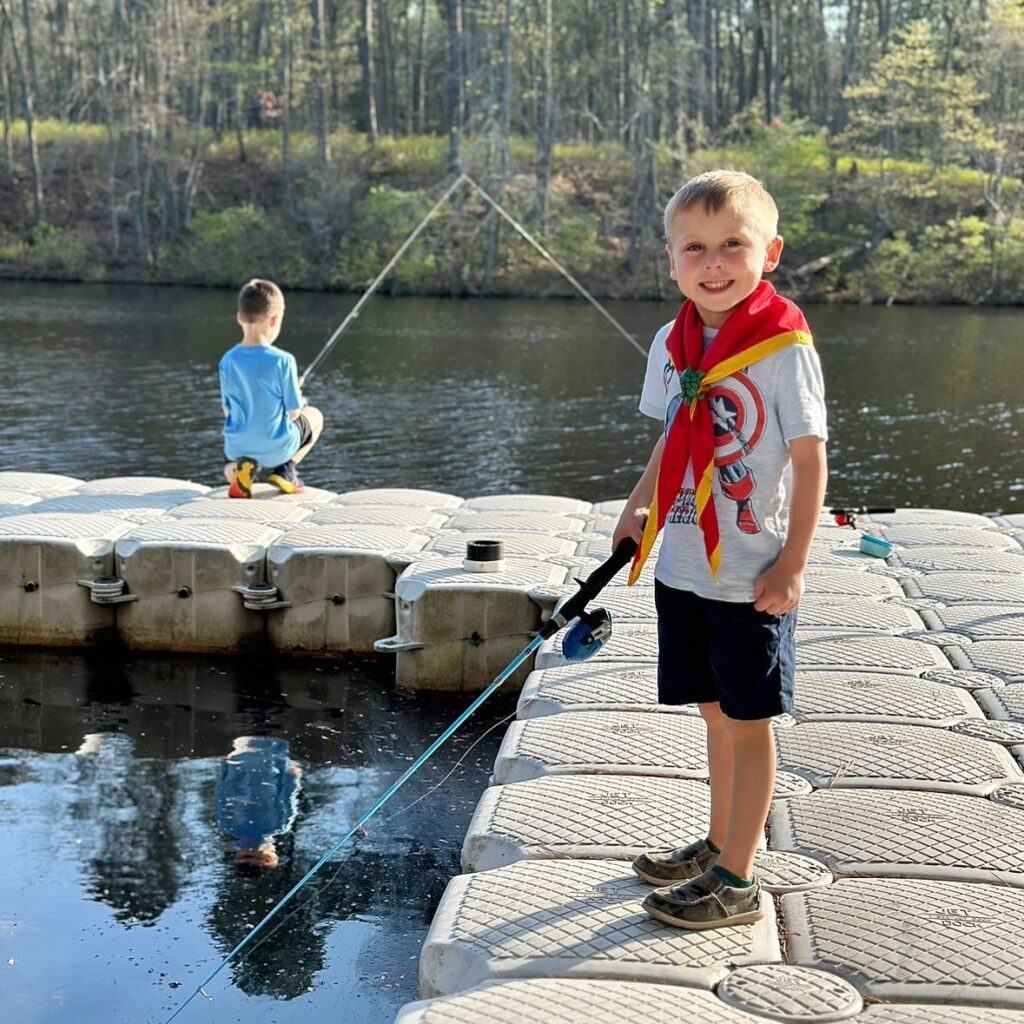
Two kids stand on a floating dock beside a calm lake, each holding a small fishing rod. One child faces the water with focus, while the other smiles toward the camera, showing how relaxed and fun the moment feels. Trees in the background frame the quiet outdoor setting.
This activity gives kids something steady to do while enjoying nature. It builds patience and keeps them engaged without needing much setup, making it a simple way to spend time near the water.
2. Tie Dye Craft Activity
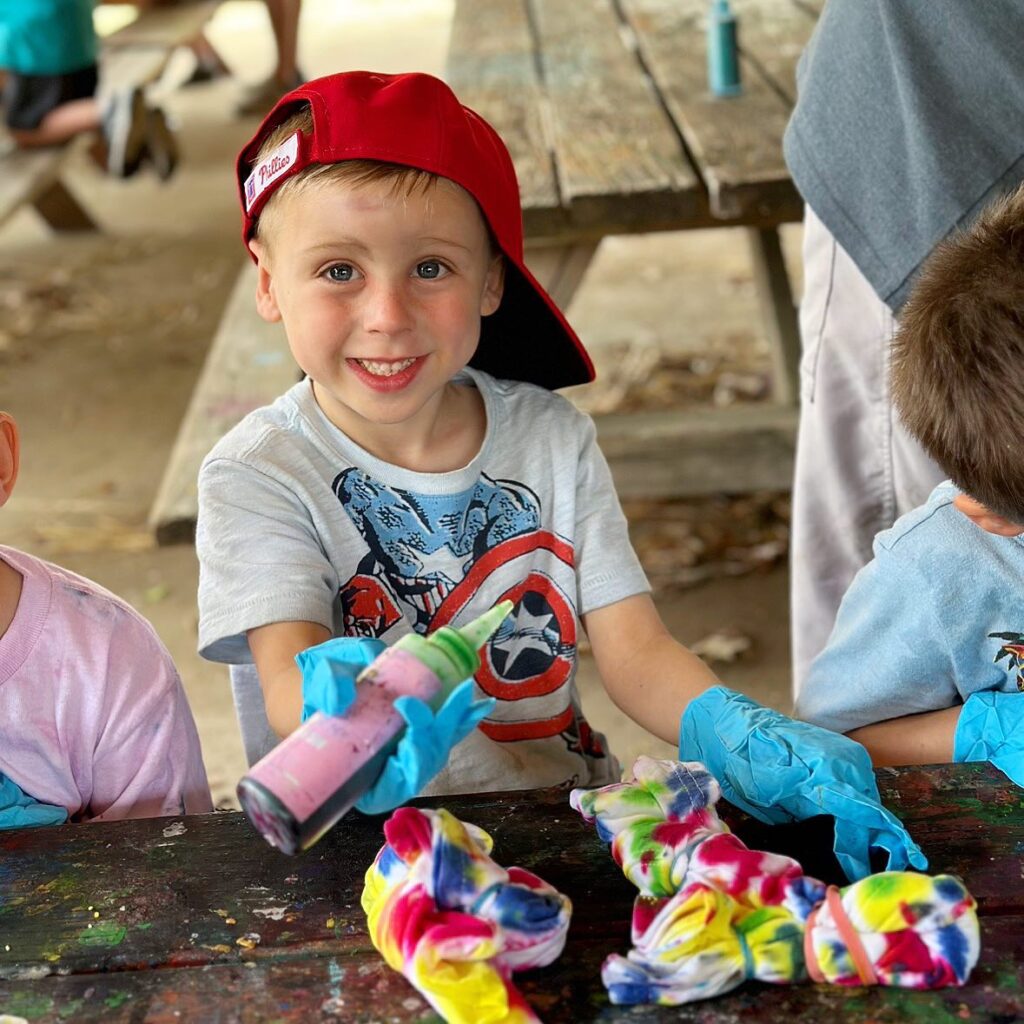
A child sits at a wooden picnic table wearing gloves and holding a squeeze bottle filled with bright dye. Twisted white fabric pieces sit in front, already showing bursts of color. The outdoor setting keeps things relaxed while kids focus on creating something with their hands.
This activity keeps children busy and lets them experiment with colors in a simple way. It also gives them something they made themselves to take home, adding a personal touch to the camping experience.
3. Beginner Axe Throw Practice
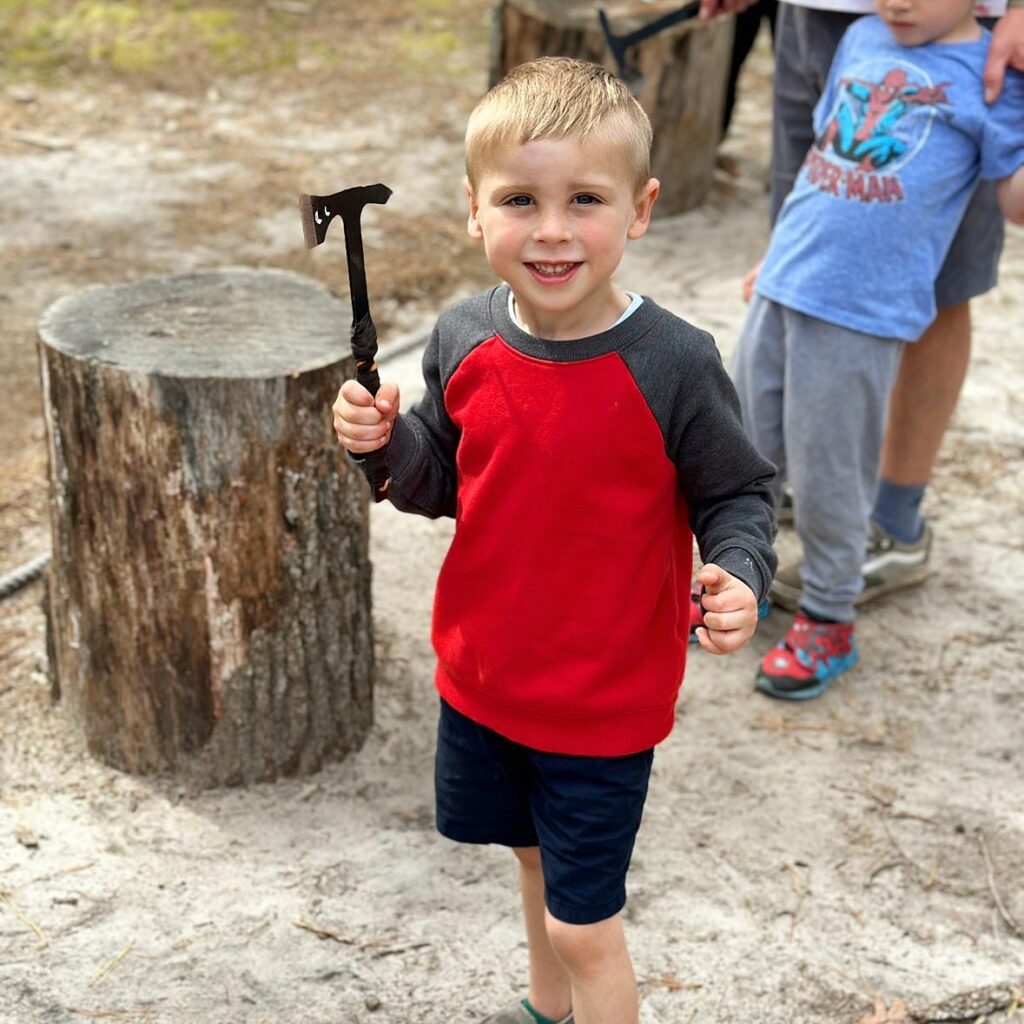
A child stands on sandy ground holding a small axe, with a cut tree stump placed nearby as the target. The setup looks simple and controlled, with adults close by and another child waiting in line. The outdoor space feels open and safe for supervised activity.
This kind of activity helps kids focus and improve hand control. With proper guidance and safe tools, it becomes a structured way for them to try something new while staying active outdoors.
4. Cozy Tent Hangout
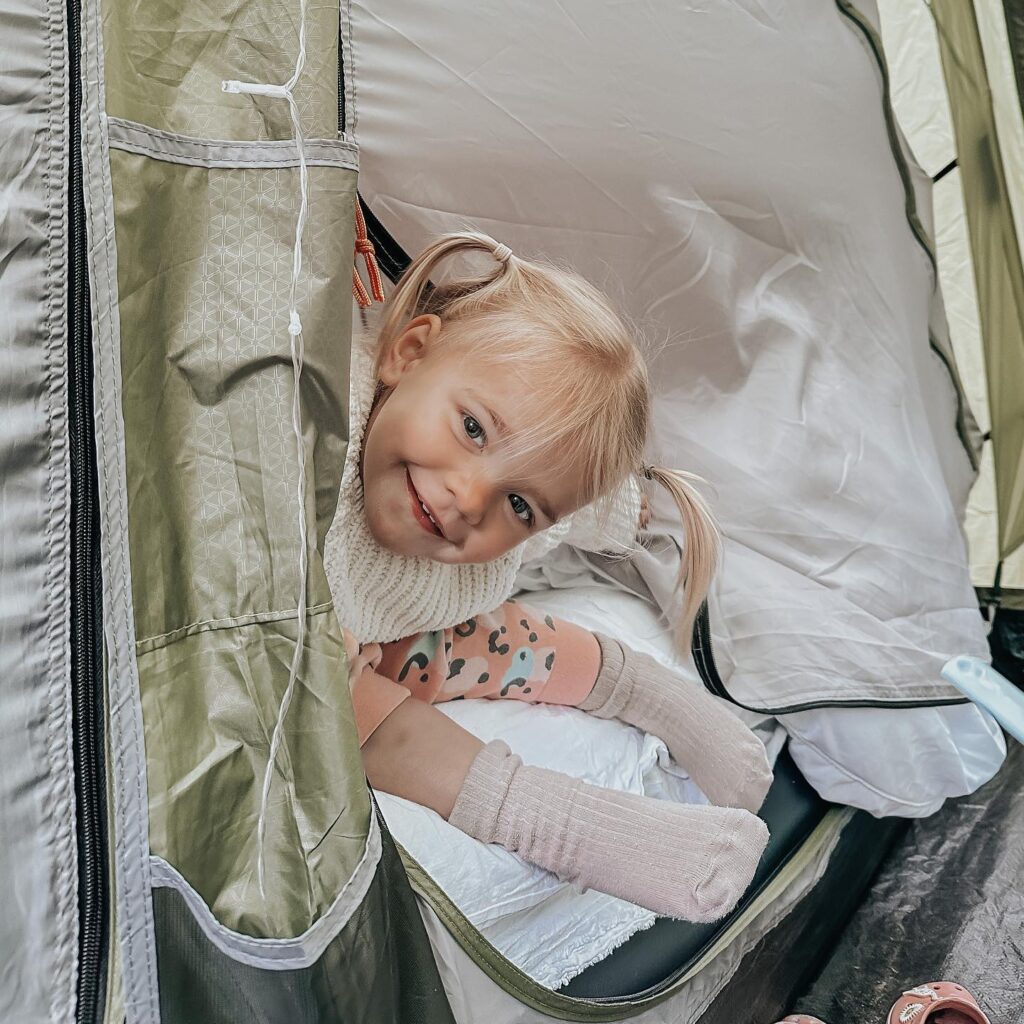
A young child sits inside a tent, peeking out with a smile while wrapped in warm layers. The soft bedding and enclosed space create a quiet, comfortable corner that feels safe and inviting. Light filters through the fabric, giving the whole setup a calm mood.
Spending time inside the tent gives kids a chance to rest and play in their own little space. It helps them slow down between outdoor activities and enjoy the camping experience in a more relaxed way.
5. Nighttime Binocular Exploration
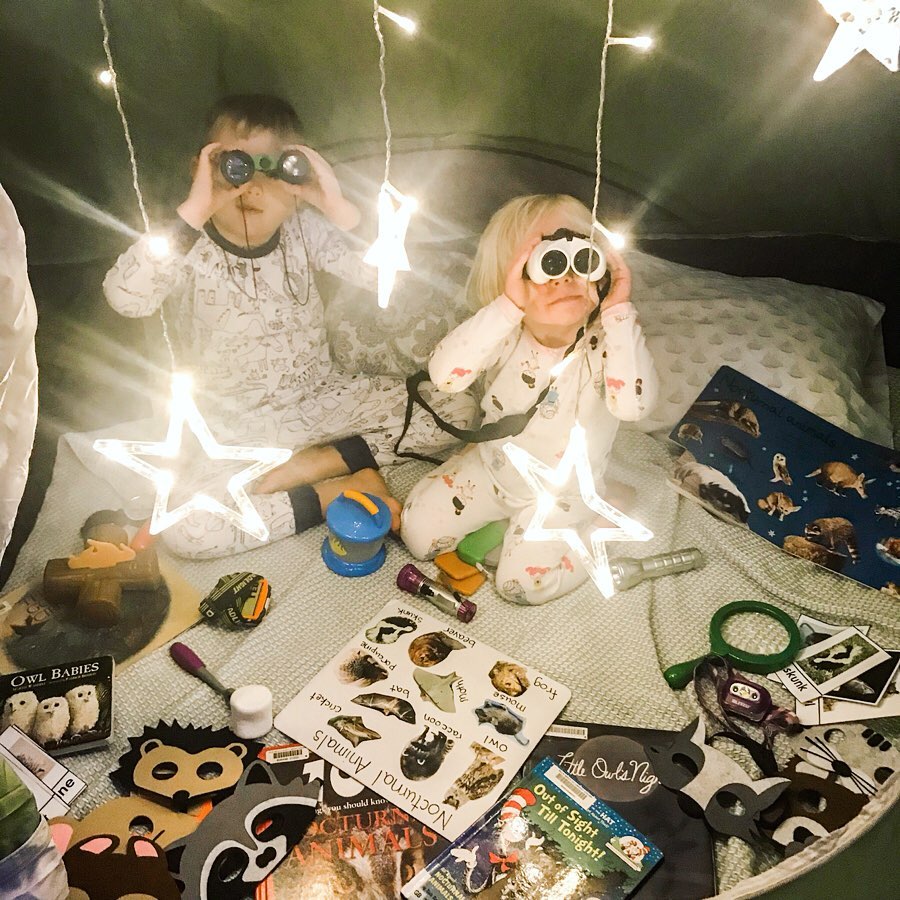
Two kids sit inside a tent surrounded by soft bedding and string lights shaped like stars. Both hold small binoculars up to their eyes, turning a quiet evening into a playful discovery moment. Books, flashlights, and small tools are spread around, creating a mini learning space.
This setup keeps kids engaged after dark without needing to leave the tent. It encourages curiosity and lets them explore their surroundings in a calm, fun way before bedtime.
6. Campfire Hand Painting
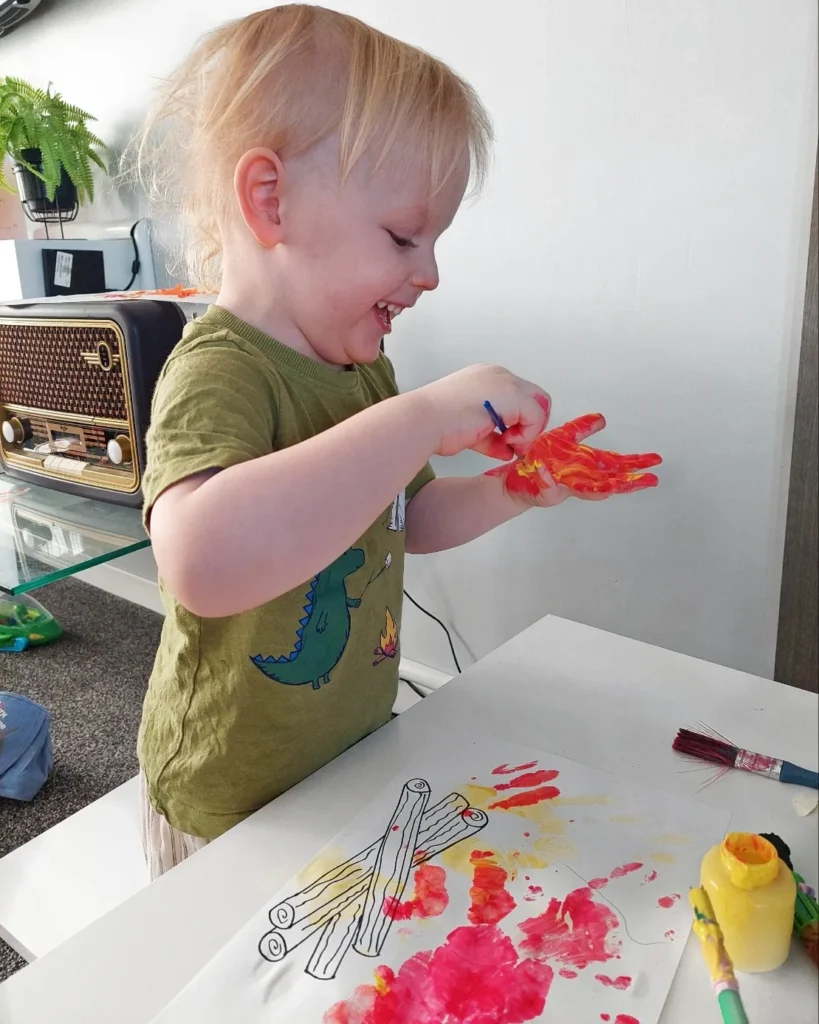
A child stands at a table painting their hand with bright red and yellow colors, then pressing it onto paper with a campfire drawing. The artwork shows logs and flame shapes, while paint brushes and jars sit nearby. The setup feels simple and focused on creative play.
This activity lets kids connect with the camping theme in a hands-on way. It keeps them engaged while helping them express ideas through art using easy materials.
Hands-On Activities To Keep Kids Busy
• Mud Kitchen Ideas For Kids
• Easy Science Experiments With Pantry Items
• Winter Crafts For Toddlers
7. Creative Body Drawing Fun
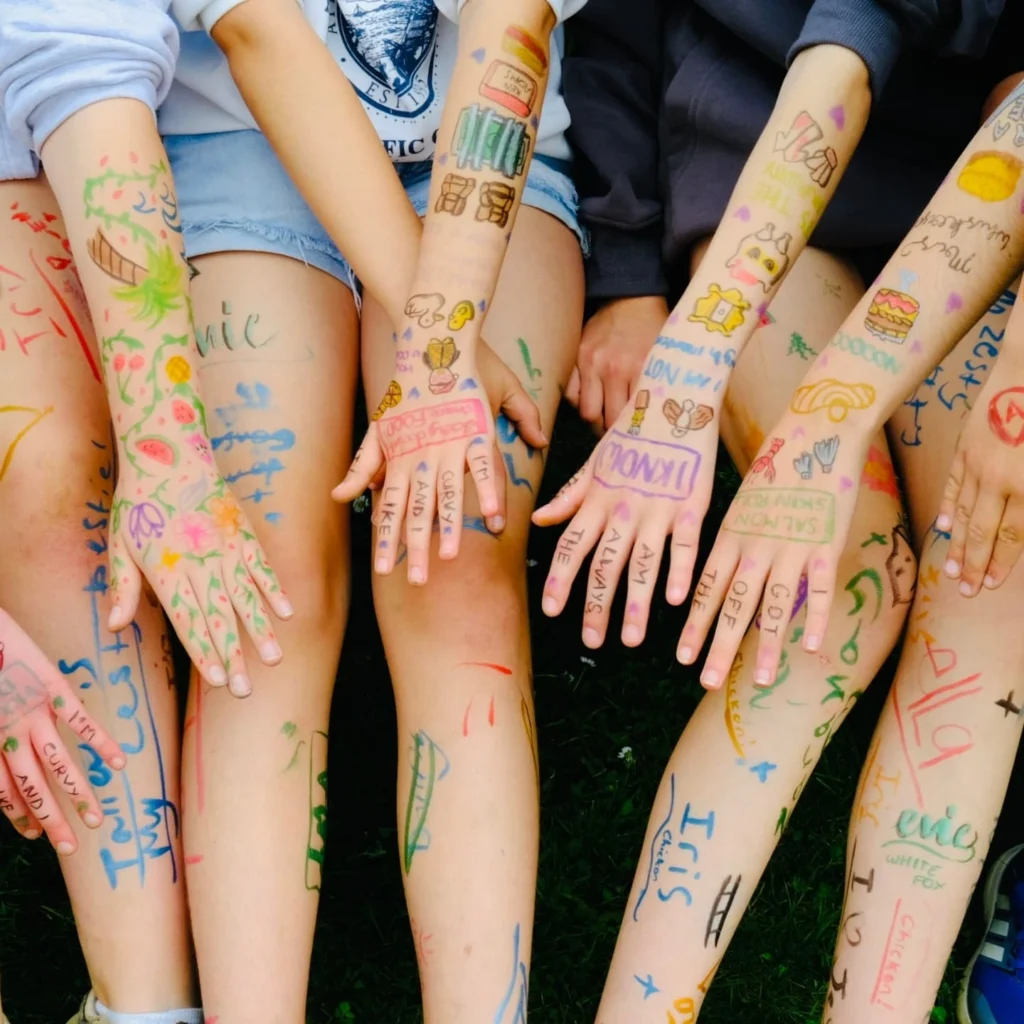
Several kids sit together with their arms and legs covered in colorful drawings, doodles, and small sketches. Each design looks different, showing names, shapes, and playful ideas created with markers. The shared space makes it feel like a group activity full of energy.
This activity gives kids freedom to express themselves in a fun and harmless way. It also turns into a social moment where they share ideas, laugh, and stay engaged without needing much equipment.
8. Cardboard Bug Craft Station
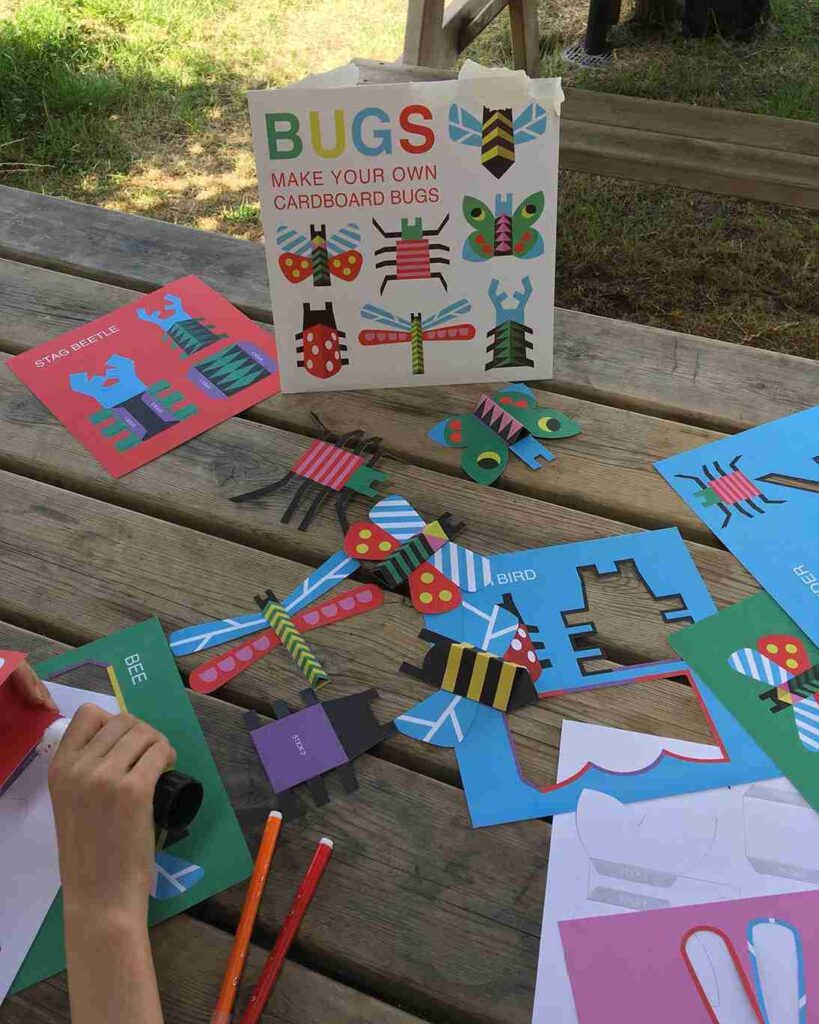
A picnic table is covered with colorful paper cutouts shaped like insects, along with glue sticks, pencils, and instruction sheets. Kids piece together wings, legs, and bodies to create their own bug designs. The bright colors and simple shapes make the activity easy to follow.
This setup keeps children focused while building something step by step. It also helps improve coordination and gives them a fun way to learn about insects through hands-on play.
9. Nature Scavenger Hunt Sheet

A printed checklist titled spring scavenger hunt is clipped to a board, showing items like flowers, birds, and small outdoor finds. Each item has a box to mark once it is spotted. The layout is simple and easy for kids to follow while exploring.
This activity gives children a clear goal while walking around. It keeps them observant and turns a simple walk into something more engaging and interactive.
10. Bird Nest Observation Activity

A child gently holds a hanging nest with a toy bird and small eggs inside, placed near a tree. The setup mimics a real nest, letting kids look closely without disturbing wildlife. The outdoor setting adds a realistic touch.
This activity helps kids learn about birds in a safe way. It builds curiosity and encourages them to pay attention to small details in nature.
11. Worm Discovery Exploration

A child holds a worm carefully in both hands while standing on grass. The moment feels natural and focused, showing a close interaction with the environment. Another child walks nearby, adding to the outdoor play setting.
This hands on activity introduces kids to living creatures in a simple way. It helps reduce fear and builds understanding of nature through direct experience.
12. Nature Craft With Sticks And Flowers

A table is covered with small sticks, dandelions, and simple tools while a child decorates a paper plate with natural materials. The design slowly takes shape as items are placed and arranged.
This activity encourages creativity using things found outdoors. It keeps kids engaged while helping them see how everyday natural objects can be used to make something unique.
13. Mud Kitchen Play
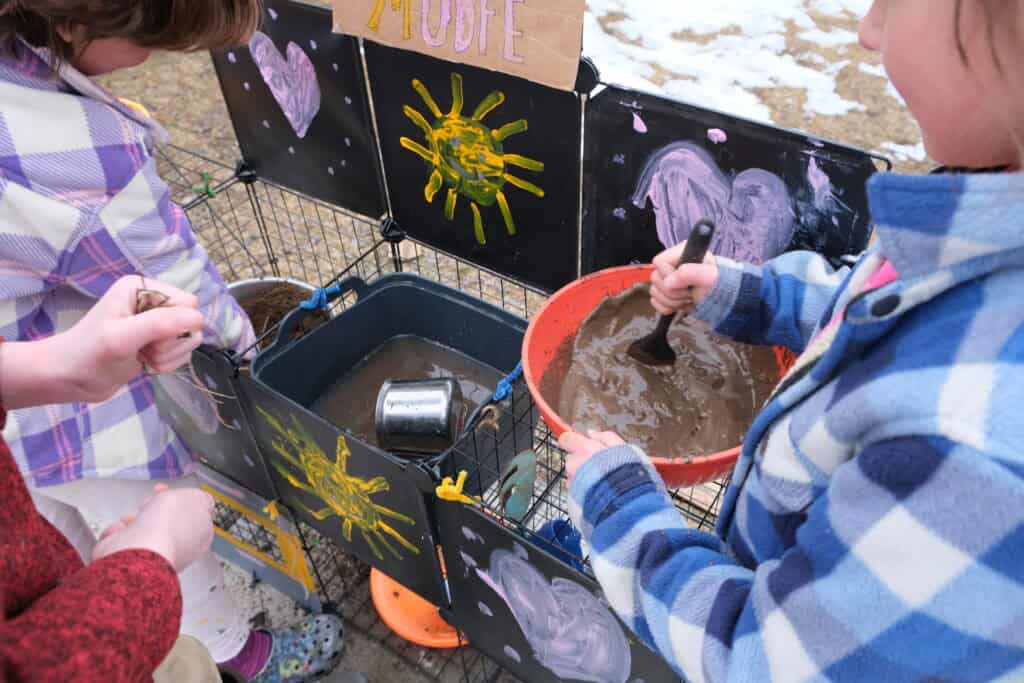
Kids stand around a messy setup filled with buckets, trays, and muddy water, mixing everything with spoons and simple tools. The scene feels playful and free, with no rules or structure, just hands in the dirt and full attention on what they are making.
This kind of activity keeps children busy without needing instructions. It builds creativity while letting them explore textures and movement in a natural way.
14. Bike Riding Around The Campground
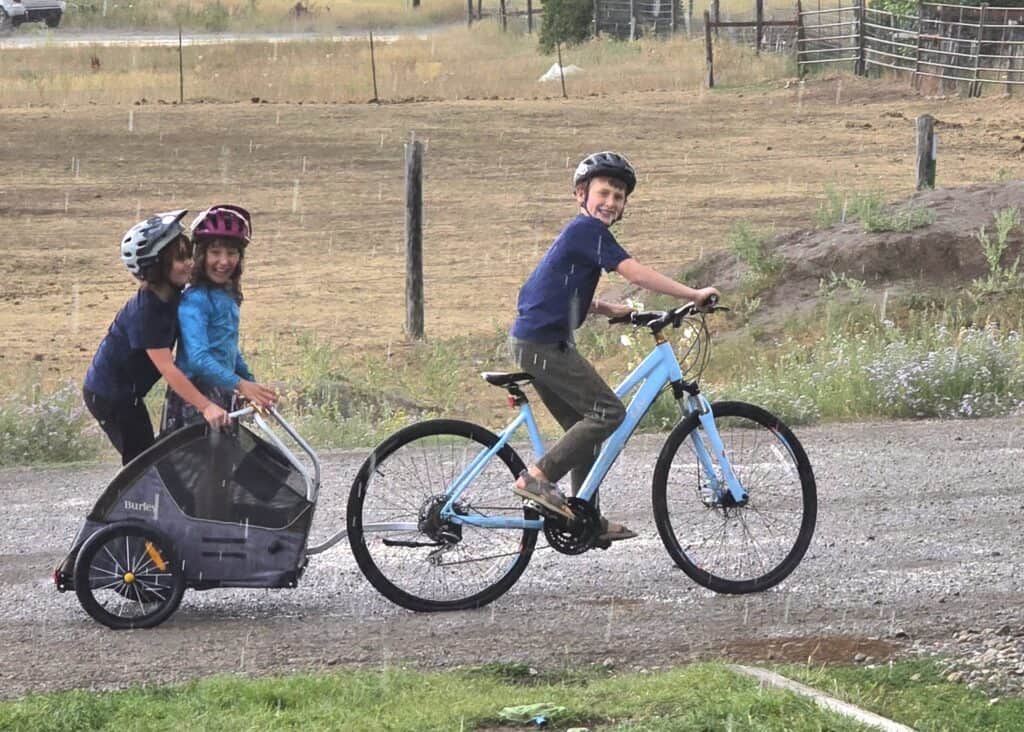
Three kids ride bikes along a gravel path, dressed for the weather and moving together through the open space. One child leads while the others follow closely, creating a sense of movement and shared fun.
Riding around camp helps kids stay active while exploring their surroundings. It also builds confidence as they learn to balance and move through different paths.
15. Campsite Gardening
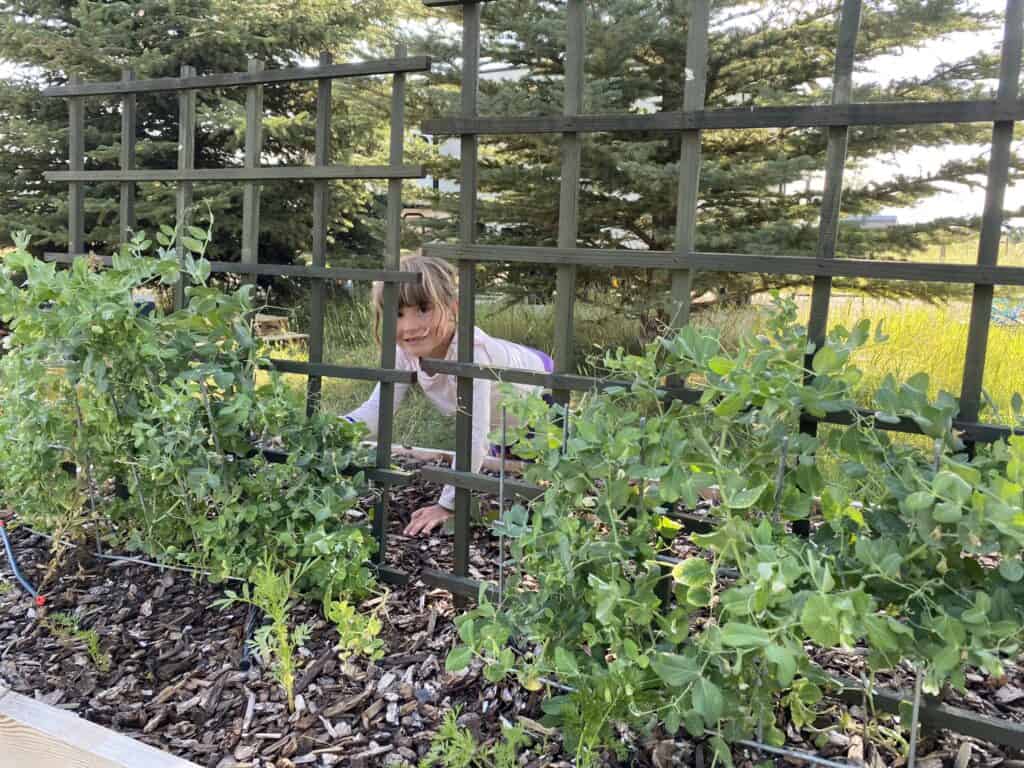
A young child stands near a raised garden bed, looking through green plants growing around a wooden frame. The space feels calm and focused, with attention on the plants and how they grow.
This activity connects kids to nature in a simple, hands on way. It teaches them patience and helps them understand how plants grow over time.
16. Rollerblading At The Campground
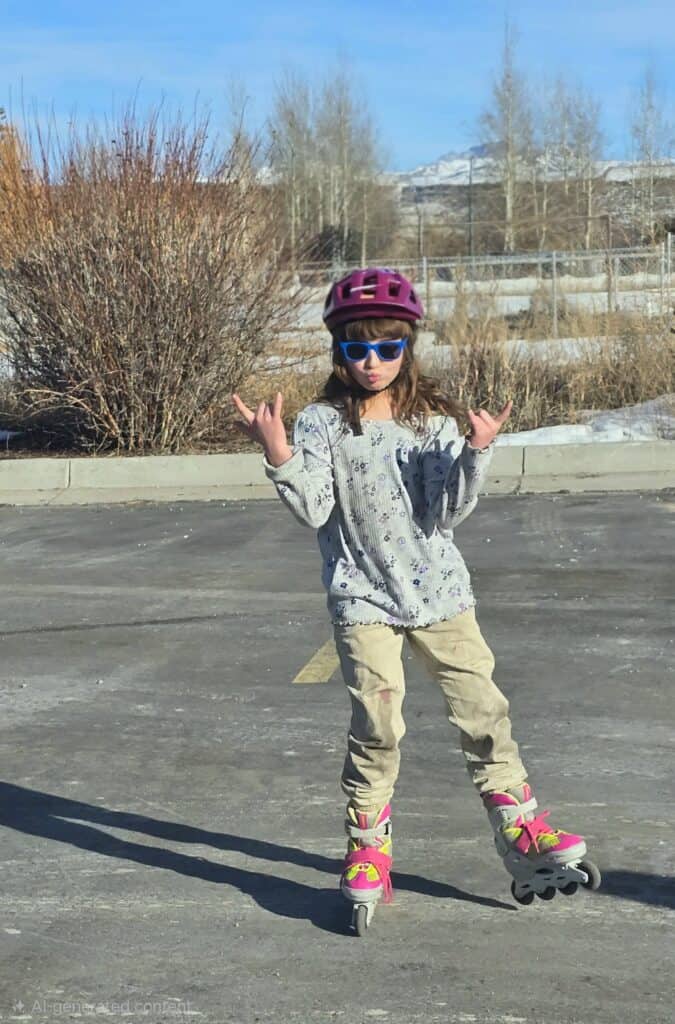
A child wearing protective gear stands confidently on rollerblades on a smooth surface, with open space all around. The background shows a wide outdoor area that allows safe movement.
This activity helps kids improve balance and coordination while staying active. It also gives them a chance to move freely in a controlled environment.
17. Nature Scavenger Wagon Ride
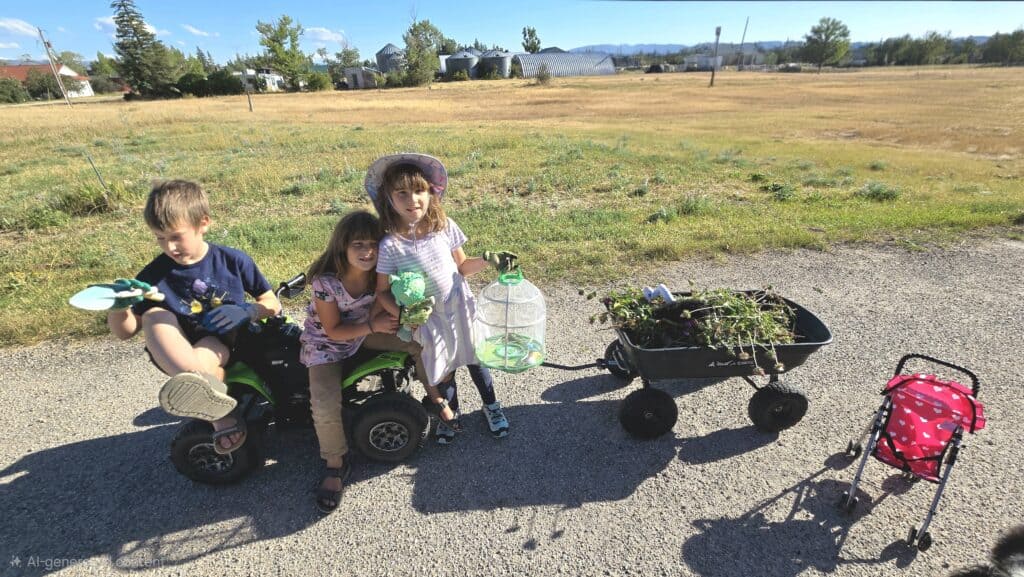
Kids move around outdoors with a wagon filled with plants and natural items they have collected. One child carries tools while others gather items, turning the moment into a shared task.
This setup encourages teamwork and exploration. It keeps kids moving while giving them a goal to collect and observe things around them.
18. Nature Craft Making
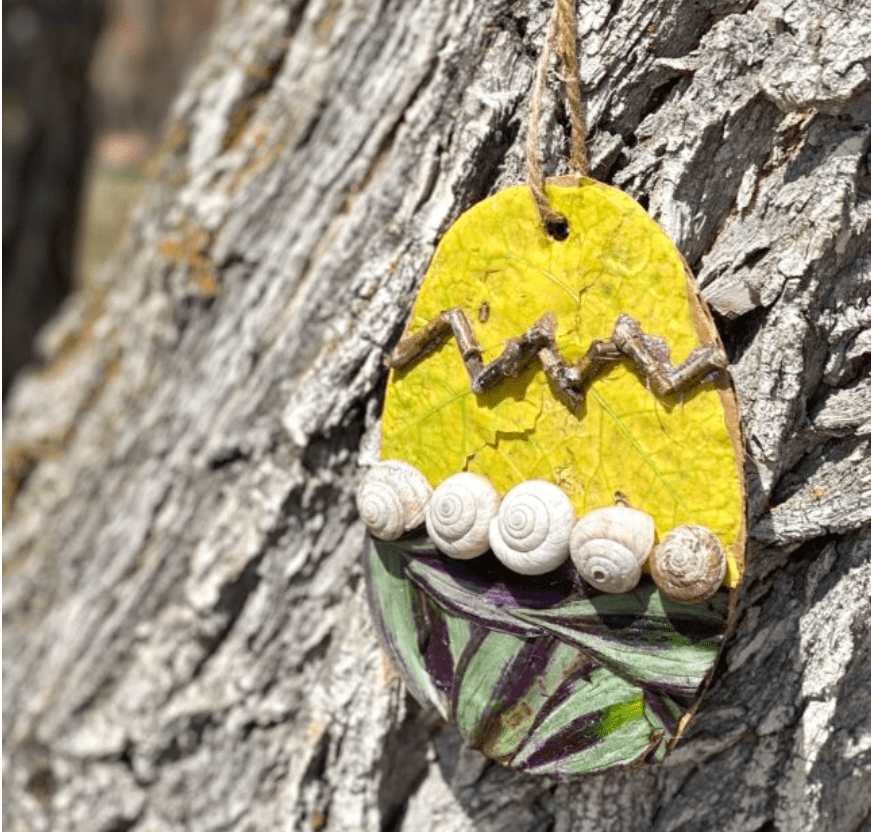
Natural items like leaves, twigs, and small objects are arranged together to form a simple handmade piece. The design looks thoughtful, using only things found outside.
This activity allows kids to create something from what they see around them. It helps them look at everyday objects in a new way and turn them into something meaningful.
19. Wildlife Workbooks And Nature Journals
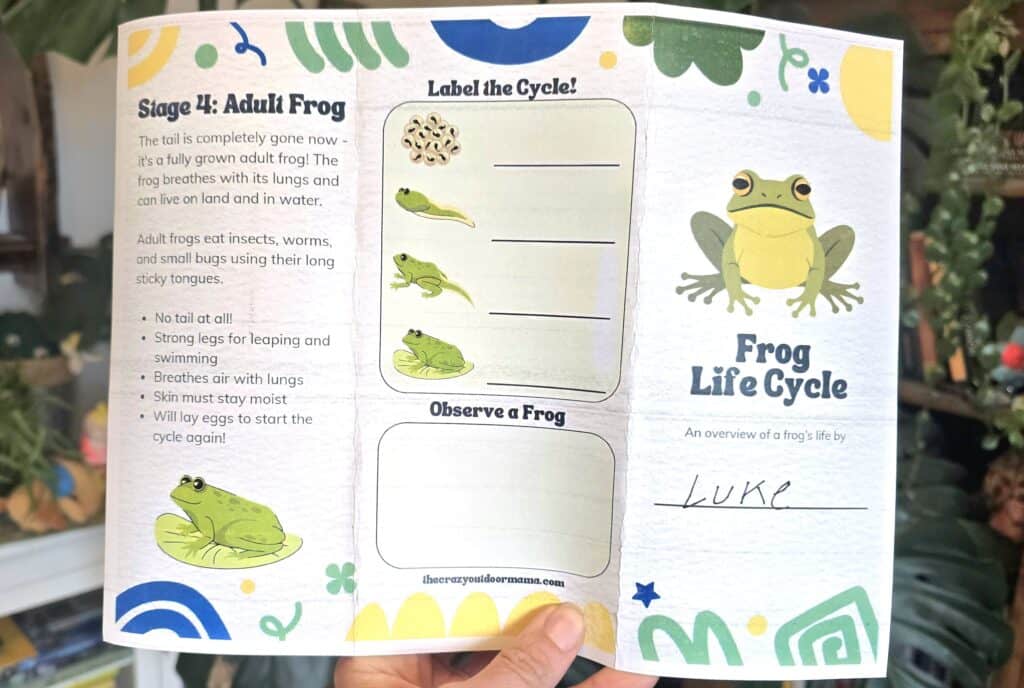
A workbook page filled with drawings, labels, and notes shows how a child records what they learn about nature. The layout feels structured but still creative.
This activity keeps kids engaged while helping them learn. It turns outdoor time into a chance to observe, write, and understand the environment more clearly.
20. Nature Sketch Journaling
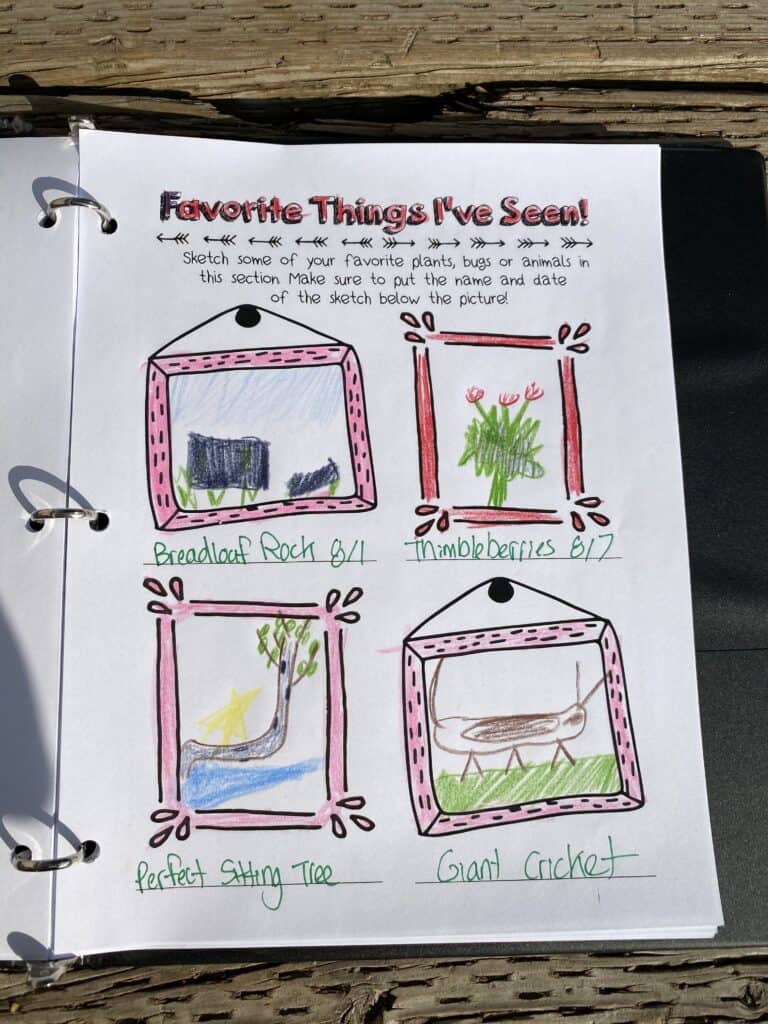
An open journal displays hand drawn sketches of outdoor finds, each labeled and carefully colored. The pages show attention to detail and a personal connection to what was seen.
This activity encourages kids to slow down and notice small things. It also gives them a way to remember their camping experience through their own drawings.
21. Smelling Wildflowers
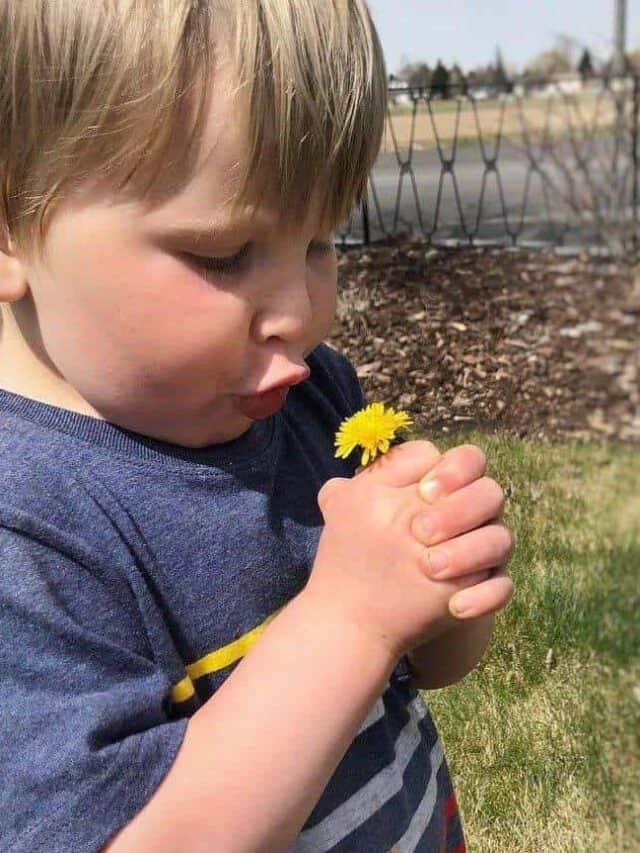
A young child holds a flower close and focuses on its scent, standing still in a quiet outdoor space. The moment feels calm and simple, with full attention on a small detail.
This activity helps kids connect with nature through their senses. It teaches them to pause, observe, and enjoy the environment in a gentle way.
More Ideas For Active Play
• Toddler Playroom Ideas
• Toddler Reading Nook
FAQ
What Are The Best Camping Activities For Kids?
The best activities are simple and hands-on. Think scavenger hunts, nature walks, building small forts, or collecting leaves and rocks. Kids enjoy things they can explore and interact with rather than structured games. Activities that let them move, discover, and use their imagination tend to keep them engaged longer.
How Do I Keep Kids Entertained While Camping?
Balance is key. Plan a few easy activities, but also leave room for free play. Bring small items like balls, flashlights, or drawing kits. Let kids explore safely and create their own fun. When they have both guidance and freedom, they stay interested without feeling bored or restricted.
What Should I Pack For Kids’ Camping Activities?
Pack light but smart. Essentials include simple toys, a flashlight, extra clothes, and a few activity items like coloring books or cards. Outdoor-friendly gear like a frisbee or small shovel can also be useful. Focus on items that can be used in multiple ways rather than bringing too many.
Are Camping Activities Safe For Young Kids?
Yes, as long as you plan carefully. Always supervise activities, especially near water or fire. Choose safe areas for play and avoid anything too risky. Simple activities like walking, collecting items, or playing near the campsite are usually the safest and most enjoyable for younger kids.
How Do I Make Camping More Fun For Kids?
Involve them in the experience. Let them help set up the tent, gather small sticks, or prepare simple snacks. Turning small tasks into fun moments makes them feel included. When kids feel part of the process, they naturally enjoy the trip more.
Conclusion
Camping with kids does not have to feel stressful or overly planned. When you focus on simple, hands-on activities and give them space to explore, the whole experience becomes more relaxed and enjoyable.
You don’t need a long list of complicated ideas. A few thoughtful activities and plenty of freedom can turn any camping trip into a fun memory.
If you found these camping activities helpful, share this with your friends and family who are planning their next outdoor trip with kids.